


 LEEDS - The February 15th news that the EU and US have agreed to allow the sale of organic products certified under each other's specific organic standards in both markets has been greeted with a certain amount of triumphalism, as “supporting jobs and businesses on a global scale”.
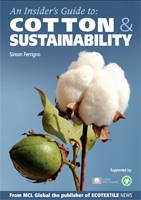
What does this mean for organic fibres and textiles, asks Simon Ferrigno? A closer inspection reveals that this measure is really only good news for producers and manufacturers in the US and EU as “Currently, this agreement only covers products exported from and certified in the United States or the European Union”.