Eco-costs threaten small suppliers

Share
Share

The future of many hundreds of smaller textile chemical companies in Europe and the USA that follow strict environmental regulations, are said to be in jeopardy due to the proliferation of new eco-standards and the lack of one global harmonised environmental certification system.

Imagine that you own a small textile chemical business that blends and formulates a range of products for textile dyeing and finishing. Imagine again, that you are based in the European Union or the USA and that you observe local environmental legislation and other legal protocols. Sales turnover of this hypothetical business is usually in the low million Euros per year.

Now imagine that you have been asked to supply several chemicals or colorants that will ultimately be used by one of Europe’s largest retailers. However, although your products already meet strict limits for third-party environmental standards, they have not been certified. Yet it’s specified by the retailer that all these products should meet either Oeko-Tex 100 or be registered to bluesign criteria, or any one of over 30 third-party environmental textile standards that are currently on the global market …

Chemical testing
The initiative will help drive sustainable chemical management and testing

The future of many hundreds of smaller textile chemical companies in Europe and the USA that follow strict environmental regulations, are said to be in jeopardy due to the proliferation of new eco-standards and the lack of one global harmonised environmental certification system.

Imagine that you own a small textile chemical business that blends and formulates a range of products for textile dyeing and finishing. Imagine again, that you are based in the European Union or the USA and that you observe local environmental legislation and other legal protocols. Sales turnover of this hypothetical business is usually in the low million Euros per year.

Now imagine that you have been asked to supply several chemicals or colorants that will ultimately be used by one of Europe’s largest retailers. However, although your products already meet strict limits for third-party environmental standards, they have not been certified. Yet it’s specified by the retailer that all these products should meet either Oeko-Tex 100 or be registered to bluesign criteria, or any one of over 30 third-party environmental textile standards that are currently on the global market …

Newsletter

Read our top news stories delivered straight to your inbox.

Share

Recommended

Latest Magazine

Features
Why China’s new wastewater standard is only one part of a broader shift spanning environmental law
As Brussels switches on its product passport registry, fashion’s supply chain data gaps threaten a bumpy rollout
As green claims face closer regulatory scrutiny liability no longer sits solely with the brands
News
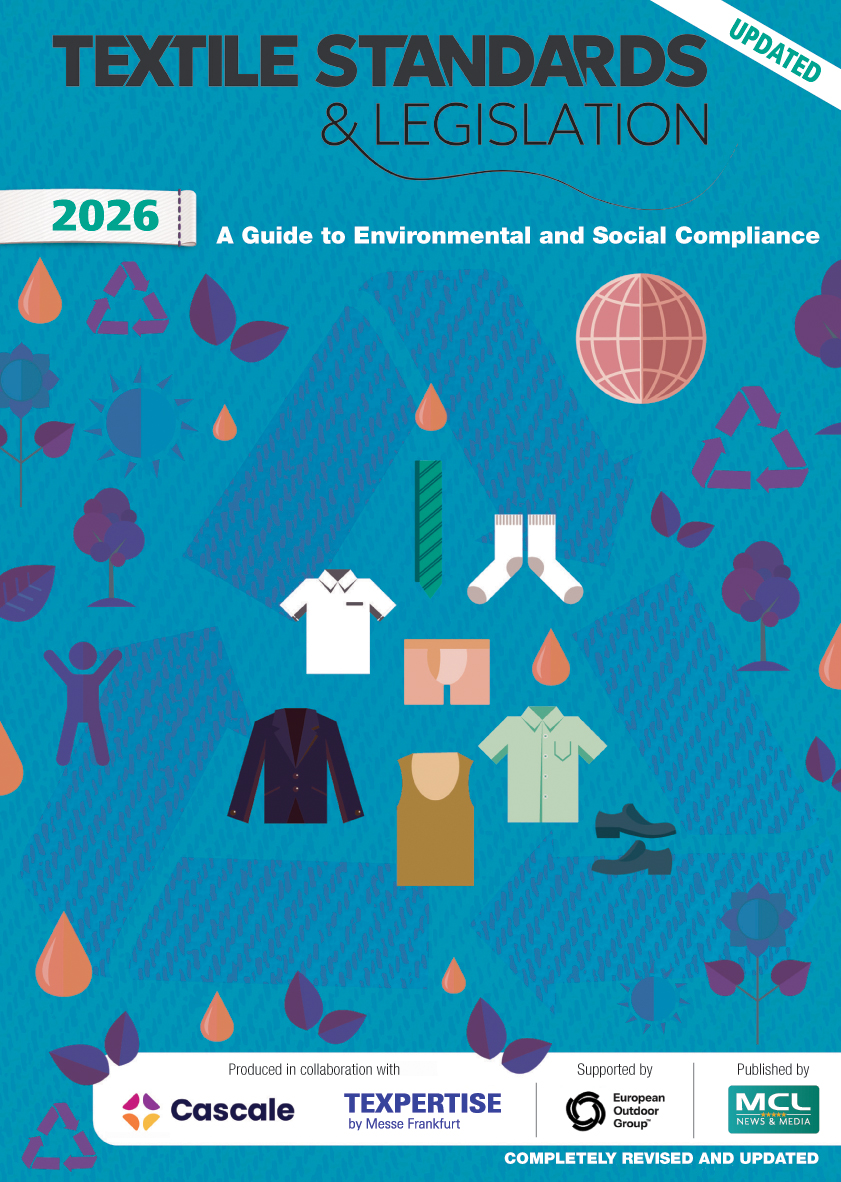
Preview of our Textile Standards & Legislation Guide
China’s strengthened rules make officials personally accountable for serious environmental damage
New process to strip reactive dyes from cotton could benefit textile-to-textile recycling
Opinion
European factory closures show costs, geography and demand decide which materials survive

Other publications from MCL News & Media

Scroll to Top
Logo

Our free newsletter showcases the very best of our journalism, delivered to you twice a week

Advertising
With Us

Help to support the purpose-led work of our team of journalists, international correspondents, and partners – and expose your product or service to our global readership.

Subscribe to our magazine today and receive exclusive online content

Subscribe