H&M has committed to do “more than its share” on working to remedy the current climate crisis. Whether or not this is achievable or naive, only time will tell.
This episode of Big Closets Small Planet explores what the H&M group’s journey thus far can teach the sector at large about the substantial challenges and opportunities it currently faces.
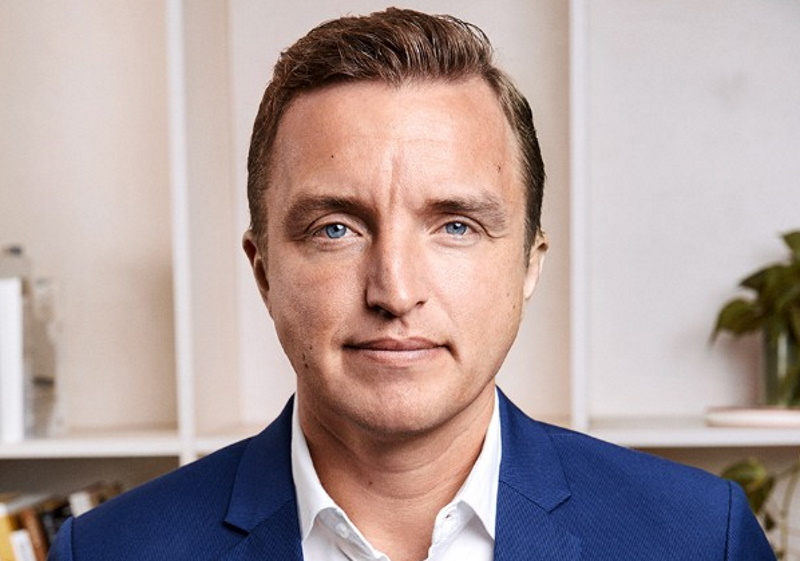
Discussing the company’s goals on climate impact, Hällström cites H&M’s supply chain: “raw materials, fabric production and garment production,” as accounting for 66 per cent of its footprint. He goes on to explain: “in our goal-setting we also take responsibility for our customers, where we see around 21 per cent [of climate impact]. This includes use of washing machines, dryers and end of life.” This aspect, he explained, makes the company unique in its goal-setting. While use phase is undoubtedly a substantial factor in the overall environmental impact of a garment, gathering reliable, quantitative data on consumer behaviour is notoriously difficult to achieve – it will, therefore, be interesting to see how the firm seeks to chart progress in the field.
There has been a strong rhetoric in the industry of late that becoming more sustainable has financial benefits. Explaining the business motivations for H&M undertaking this work, Hällström noted: “customers could be turning their backs on us. That’s the foremost danger we are facing.”
H&M’s CSR strategy lead is also clear that no work to mitigate waste which cannot be reduced or eradicated should be undertaken before every available reduction has been implemented elsewhere. “If you ask me whether we should spend our money offsetting emissions or reducing our impacts,” he said, “I would say reducing impacts ten times out of ten.”
Regarding H&M’s key areas of priority: having previously worked to eradicate child labour in the ‘90s, focused on water usage and now climate impact, Hällström confirmed biodiversity is next on the company’s agenda.
Perhaps the most important question posed by Mike Schragger in the interview: “Given where the company is now, do we expect H&M to achieve these targets?” To hear how this was answered,to hear the answer to this question, CLICK HERE.