IKEA and H&M shed light on chemicals in recycled textiles

Share
Share

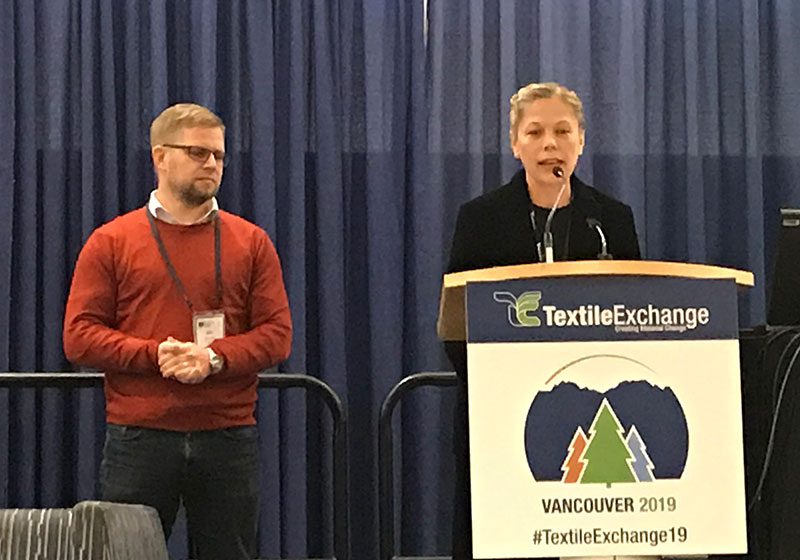
VANCOUVER – IKEA and H&M have teamed up to identify what sort of chemical contaminants are typically found in pre-owned cotton textiles in a bid to improve the safe reuse of these materials within a ‘circular system’.

At the Textiles Exchange event being held here in Canada, the two retail giants told delegates how they ran over 8,000 tests on cotton textiles that were randomly collected from recyclers in Europe, finding that over 20 per cent of post-consumer samples contained APEO’s, around 10 per cent of the these samples also contained formaldehydes, with detectable levels of heavy metals, organotins, PAH (polyaromatic hydrocarbons) and phthalates also present. Actual detection rates were not disclosed.

“Recycled materials are key elements in a circular economy. However, increasing the use of recycled materials whilst ensuring that we keep these textiles free of toxic chemicals presents a challenge for the industry,” noted Anna Biverstål, Global Business Expert on Materials at H&M Group.

The two companies hope that other brands and retailers will join their efforts and say that the results will be disclosed freely for the industry to use as they branch out investigations into polyester and wool-rich textiles. 

VANCOUVER – IKEA and H&M have teamed up to identify what sort of chemical contaminants are typically found in pre-owned cotton textiles in a bid to improve the safe reuse of these materials within a ‘circular system’.

At the Textiles Exchange event being held here in Canada, the two retail giants told delegates how they ran over 8,000 tests on cotton textiles that were randomly collected from recyclers in Europe, finding that over 20 per cent of post-consumer samples contained APEO’s, around 10 per cent of the these samples also contained formaldehydes, with detectable levels of heavy metals, organotins, PAH (polyaromatic hydrocarbons) and phthalates also present. Actual detection rates were not disclosed.

“Recycled materials are key elements in a circular economy. However, increasing the use of recycled materials whilst ensuring that we keep these textiles free of toxic chemicals presents a challenge for the industry,” noted Anna Biverstål, Global Business Expert on Materials at H&M Group.

The two companies hope that other brands and retailers will join their efforts and say that the results will be disclosed freely for the industry to use as they branch out investigations into polyester and wool-rich textiles. 

Share

Recommended

Latest Magazine

Features
Why the EU’s regulatory push for longer-lasting clothes could enrich the wrong industry.
Textile dye recovery is technically real, but experts warn that it risks becoming a costly sideshow.
When profits wobble, fashion brands default on climate, pushing self-issued net-zero targets over the horizon.
News
A new evidence-based review challenges assumptions over organic cotton’s growth.
EU anti-fraud investigators help block the illegal export and dumping of thousands of tonnes of textiles.
SBTi’s new net-zero standard tightens rules on fashion’s climate claims
Opinion
Exclusive: Uzbek cotton cluster boss hails big reforms as human rights campaigners claim exploitation

Other publications from MCL News & Media

Scroll to Top
Logo

Our free newsletter showcases the very best of our journalism, delivered to you twice a week

Advertising
With Us

Help to support the purpose-led work of our team of journalists, international correspondents, and partners – and expose your product or service to our global readership.

Subscribe to our magazine today and receive exclusive online content

Subscribe