Textile guidelines to reduce hazardous air emissions

Share
Share

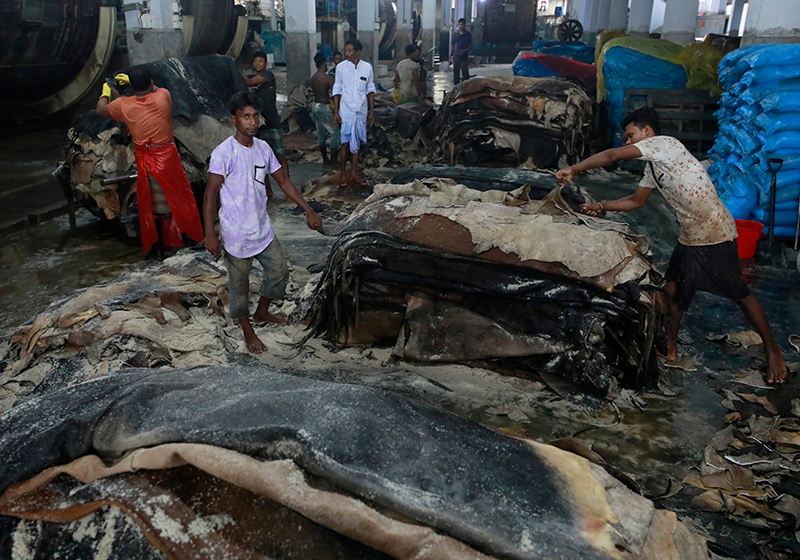
AMSTERDAM – The ZDHC Group (zero discharge of hazardous chemicals) is in the final stages of developing a new draft document to provide guidance on how to reduce the impact of air emissions from chemicals used in factories and other air pollutants associated with the textile supply chain.

Slated for final release towards the end of June next year, the new draft guidance on improving factory air emissions will be finalised in the coming weeks and aims to complement existing ZDHC work on wastewater discharge and hazardous textile chemistry.

Speaking in Amsterdam, Scott Echols, programme manager at ZDHC said: “Many chemicals and solvents that are applied to textiles during production are designed to evaporate into air, so for workers and the environment, these can be a significant source of exposure.”

AMSTERDAM – The ZDHC Group (zero discharge of hazardous chemicals) is in the final stages of developing a new draft document to provide guidance on how to reduce the impact of air emissions from chemicals used in factories and other air pollutants associated with the textile supply chain.

Slated for final release towards the end of June next year, the new draft guidance on improving factory air emissions will be finalised in the coming weeks and aims to complement existing ZDHC work on wastewater discharge and hazardous textile chemistry.

Speaking in Amsterdam, Scott Echols, programme manager at ZDHC said: “Many chemicals and solvents that are applied to textiles during production are designed to evaporate into air, so for workers and the environment, these can be a significant source of exposure.”

Share

Recommended

Latest Magazine

Features
Why the EU’s regulatory push for longer-lasting clothes could enrich the wrong industry.
Textile dye recovery is technically real, but experts warn that it risks becoming a costly sideshow.
When profits wobble, fashion brands default on climate, pushing self-issued net-zero targets over the horizon.
News
A new evidence-based review challenges assumptions over organic cotton’s growth.
EU anti-fraud investigators help block the illegal export and dumping of thousands of tonnes of textiles.
SBTi’s new net-zero standard tightens rules on fashion’s climate claims
Opinion
Exclusive: Uzbek cotton cluster boss hails big reforms as human rights campaigners claim exploitation

Other publications from MCL News & Media

Scroll to Top
Logo

Our free newsletter showcases the very best of our journalism, delivered to you twice a week

Advertising
With Us

Help to support the purpose-led work of our team of journalists, international correspondents, and partners – and expose your product or service to our global readership.

Subscribe to our magazine today and receive exclusive online content

Subscribe