New report: Chemical Circularity in Fashion

Share
Share

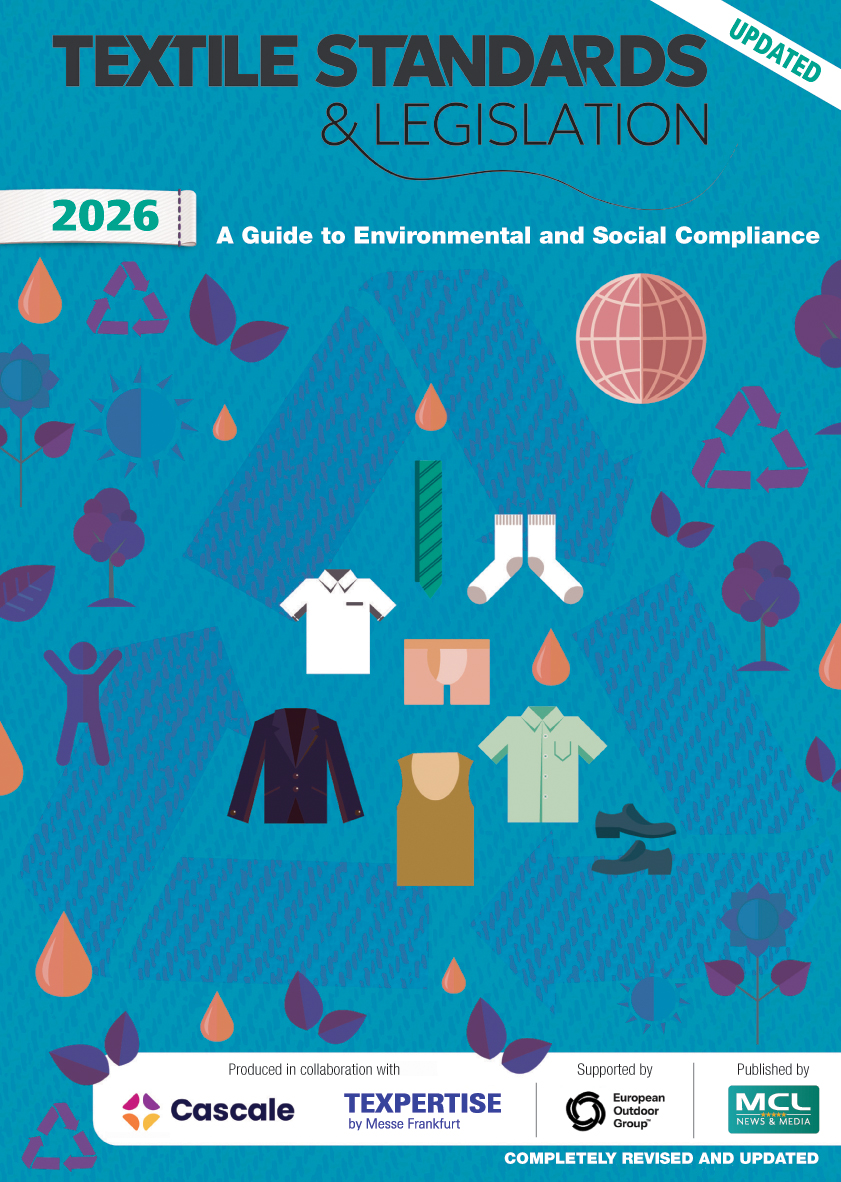
AMSTERDAM – Progress towards the ‘Circular Economy’ in the textile sector has primarily focused on the recycling and re-use of fibres and fabrics. But very little work has been done on the chemicals used to manufacture, recycle and remanufacture these products – until now.

A landmark report on Chemical Circularity, commissioned by the Laudes Foundation and written by Phil Patterson of Colour Connections Consultancy, sets out a roadmap for changing the whole relationship between the textiles and fashion industry with the chemicals it uses.

The new 56-page report considers alternatives to the single-use model prevalent in today’s textile industry and makes real-world practical recommendations on how to increase levels of the re-use and recycling of chemicals and, in doing so, reduce discharges of potentially hazardous substances into the environment.  

AMSTERDAM – Progress towards the ‘Circular Economy’ in the textile sector has primarily focused on the recycling and re-use of fibres and fabrics. But very little work has been done on the chemicals used to manufacture, recycle and remanufacture these products – until now.

A landmark report on Chemical Circularity, commissioned by the Laudes Foundation and written by Phil Patterson of Colour Connections Consultancy, sets out a roadmap for changing the whole relationship between the textiles and fashion industry with the chemicals it uses.

The new 56-page report considers alternatives to the single-use model prevalent in today’s textile industry and makes real-world practical recommendations on how to increase levels of the re-use and recycling of chemicals and, in doing so, reduce discharges of potentially hazardous substances into the environment.  

Share

Recommended

Latest Magazine

Features
Why the EU’s regulatory push for longer-lasting clothes could enrich the wrong industry.
Textile dye recovery is technically real, but experts warn that it risks becoming a costly sideshow.
When profits wobble, fashion brands default on climate, pushing self-issued net-zero targets over the horizon.
News
A new evidence-based review challenges assumptions over organic cotton’s growth.
EU anti-fraud investigators help block the illegal export and dumping of thousands of tonnes of textiles.
SBTi’s new net-zero standard tightens rules on fashion’s climate claims
Opinion
Exclusive: Uzbek cotton cluster boss hails big reforms as human rights campaigners claim exploitation

Other publications from MCL News & Media

Scroll to Top
Logo

Our free newsletter showcases the very best of our journalism, delivered to you twice a week

Advertising
With Us

Help to support the purpose-led work of our team of journalists, international correspondents, and partners – and expose your product or service to our global readership.

Subscribe to our magazine today and receive exclusive online content

Subscribe