To hear what she has to say, listen to the full podcast by CLICKING HERE.
With trillions of dollars needed to achieve the Sustainable Development Goals (SDGs) required to avoid catastrophic tipping points, Schragger points out that we need to move quickly and ambitiously if our actions are to achieve more than the equivalent of moving the deckchairs on a sinking ship.
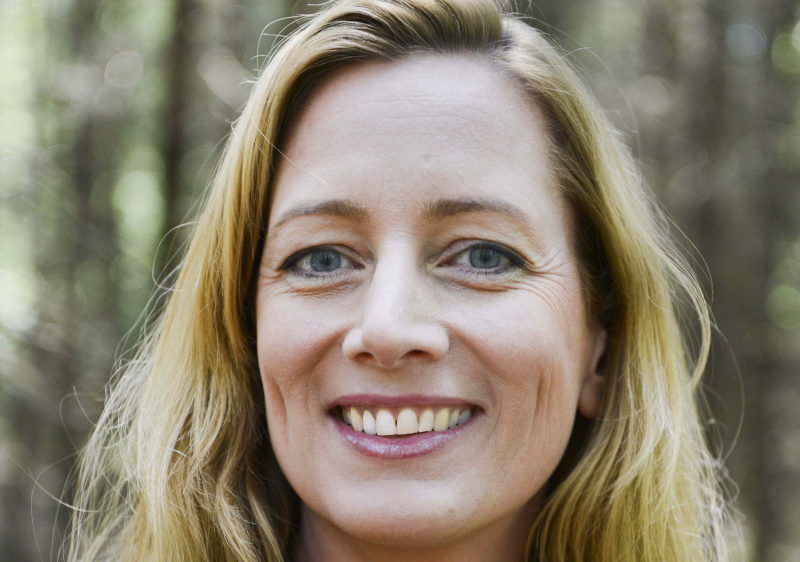
One of Groothuis’s key messages is that if countries use tax reform effectively, they will not have to choose between economic development and the environment.
Her innovative thinking has gained even more relevance since the COVID-19 crisis put revenues, jobs and sustainable growth at the top of the priority list worldwide.
“People understand that the problems in the world today are so big and interconnected that a quick fix no longer exists. Like most people, I was never interested in tax before but now I do believe that tax can be a force for good,” she says.
Groothuis believes that the textile industry could take the lead in advocating tax reform for environmental good.
“The financial incentives in our economy are aligned with a linear economy, the take, make waste economy, in which we take resources, turn them in products and then, after a short lifecycle, turn them into waste,” she said.
“Currently governments tend to put a high and increasing tax burden on labour – the work people do – which incentivises business leaders to reduce labour input. At the same time governments put low or no taxes on natural resource use – carbon emissions, fossil fuels and water – so there’s a discrepancy there.”
To hear more insight from our expert guest, listen to the full podcast by CLICKING HERE. Big Closets Small Planet podcast will now take a break for the summer but will resume in the autumn with more compelling shows full of insight and innovation.