Mulesing legislation hangs in the balance

Share
Share

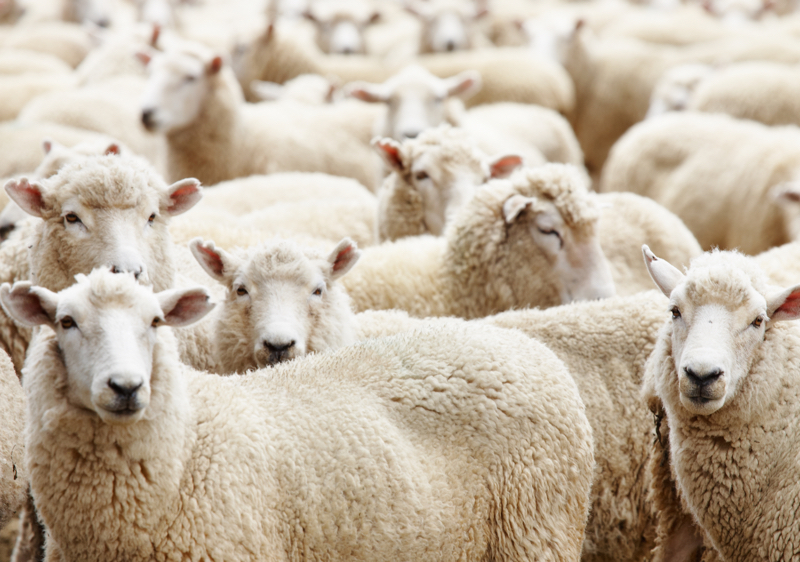
NEW SOUTH WALES – Woolgrowers have been urged to have their say on proposed amendments to the POCTA (Prevention of Cruelty to Animals) Act in New South Wales, as the state’s Legislative Council looks to fast-track new laws that could see pain relief become a mandatory requirement of farmers later this year, with the view to banning mulesing outright by 2023.

Since 2016, Mark Pearson of the Council has campaigned to protect the welfare of Australia’s sheep, but to no avail. Pressing the Council’s proposition once more, an Upper House committee inquiry has been launched looking at the POCTA Act; this, suggesting that an independent statutory body, the Independent Office of Animal Protection, be established to oversee the animal welfare framework.

NSW’s native wool growers have been asked to complete an online survey, stating where they stand on any of the proposed changes to the bill. A state-wide survey conducted last year indicated that 80 per cent of producers were in favour of mandating pain relief prior to mulesing. Whether they’re on-board with banning the practice outright is another matter.

Newsletter

Read our top news stories delivered straight to your inbox.

Share

Recommended

Latest Magazine

Features
Why China’s new wastewater standard is only one part of a broader shift spanning environmental law
As Brussels switches on its product passport registry, fashion’s supply chain data gaps threaten a bumpy rollout
As green claims face closer regulatory scrutiny liability no longer sits solely with the brands
News
Preview of our Textile Standards & Legislation Guide
China’s strengthened rules make officials personally accountable for serious environmental damage
New process to strip reactive dyes from cotton could benefit textile-to-textile recycling
Opinion
European factory closures show costs, geography and demand decide which materials survive

Other publications from MCL News & Media

Scroll to Top
Logo

Our free newsletter showcases the very best of our journalism, delivered to you twice a week

Advertising
With Us

Help to support the purpose-led work of our team of journalists, international correspondents, and partners – and expose your product or service to our global readership.

Subscribe to our magazine today and receive exclusive online content

Subscribe