Podcast: Is the SAC making a difference?

Share
Share

WAKEFIELD –  Nearly a decade on from the establishment of the Sustainable Apparel Coalition (SAC), this podcast explores the impact on sustainability of this innovative industry collaboration and speaks with the author of a recent report to find out if the Higg Facilities Environmental Module (FEM) actually incentivises supply chain improvements.

The SAC website spells out its vision for an apparel, footwear, and textiles industry that “produces no unnecessary environmental harm and has a positive impact on the people and communities associated with its activities”. But what does this actually mean?

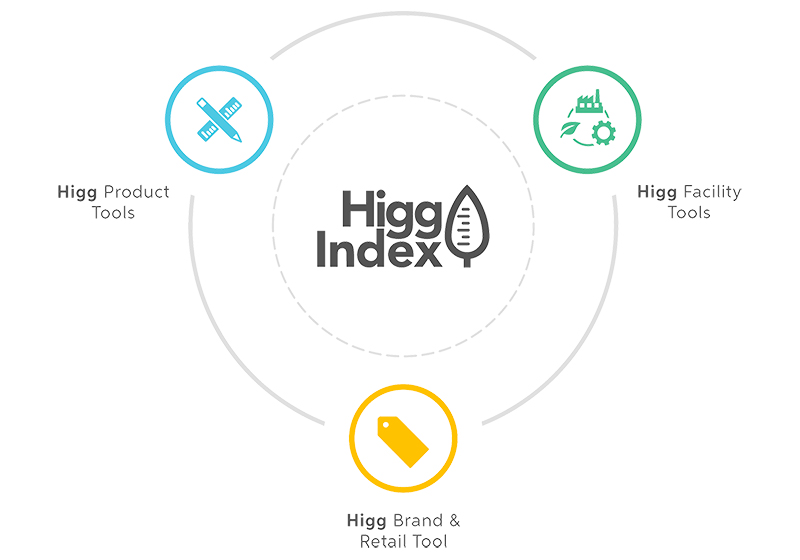
Members contribute to this by committing to measure and improve their social and environmental sustainability performance, using the Higg Index suite of measurement and management tools.

Given the tremendous amount of resources and hard work invested in the SAC, Michael Schragger, founder of the Sustainable Fashion Academy, felt it appropriate to discuss and debate the impact of these tools – and the SAC in general.

In this episode, he speaks with Dara O’Rourke, associate professor at the University of California, Berkeley, and co-author of a report assessing whether the SAC’s Facilities Environmental Module (FEM) and the act of standardising, measuring and reporting has resulted in meaningful improvements.

[sc_embed_player_template1 fileurl=https://traffic.libsyn.com/secure/bigclosetssmallplanet/BCSP_20201123_hot-off-the-press_is-higg-working-dara-orourke_uc.mp3?dest-id=697334]

O’Rourke presents what he sees as the strengths and weaknesses of the FEM and explains the report’s recommendations for increasing the SAC’s impact.

He tells Schragger: “It’s a really critical time to be evaluating programmes like the SAC and their attempts to govern global supply chains.

“The big question for me it how can we effectively and democratically govern both the positive aspects – job creation, economic development opportunities and the products we want – while minimising the downside – the impacts on labour, on communities, on the environment, and on our production and our consumption.”

On top of this, Schragger and O’Rourke talk consumer psychology and communication, data, the limits of voluntary industry standards and monitoring, and why there are no silver bullets.

You can listen to the full, uninterrupted podcast HERE.


Share

Recommended

Latest Magazine

Features
Why the EU’s regulatory push for longer-lasting clothes could enrich the wrong industry.
Textile dye recovery is technically real, but experts warn that it risks becoming a costly sideshow.
When profits wobble, fashion brands default on climate, pushing self-issued net-zero targets over the horizon.
News
A new evidence-based review challenges assumptions over organic cotton’s growth.
EU anti-fraud investigators help block the illegal export and dumping of thousands of tonnes of textiles.
SBTi’s new net-zero standard tightens rules on fashion’s climate claims
Opinion
Exclusive: Uzbek cotton cluster boss hails big reforms as human rights campaigners claim exploitation

Other publications from MCL News & Media

Scroll to Top
Logo

Our free newsletter showcases the very best of our journalism, delivered to you twice a week

Advertising
With Us

Help to support the purpose-led work of our team of journalists, international correspondents, and partners – and expose your product or service to our global readership.

Subscribe to our magazine today and receive exclusive online content

Subscribe