It’s 2020, and whilst progress reports for large parts of the industry will have unsurprisingly taken a nosedive, for animal welfare campaigners it’s been a year of marked progress.
An increasing number of fashion firms have aligned in their efforts to eradicate animal-based products from their apparel collections – including alpaca fibre and the exotic skins of alligators and snakes – whilst the governments of both France and the Netherlands have set a new precedent with time-bound commitments to eradicate fur farms.
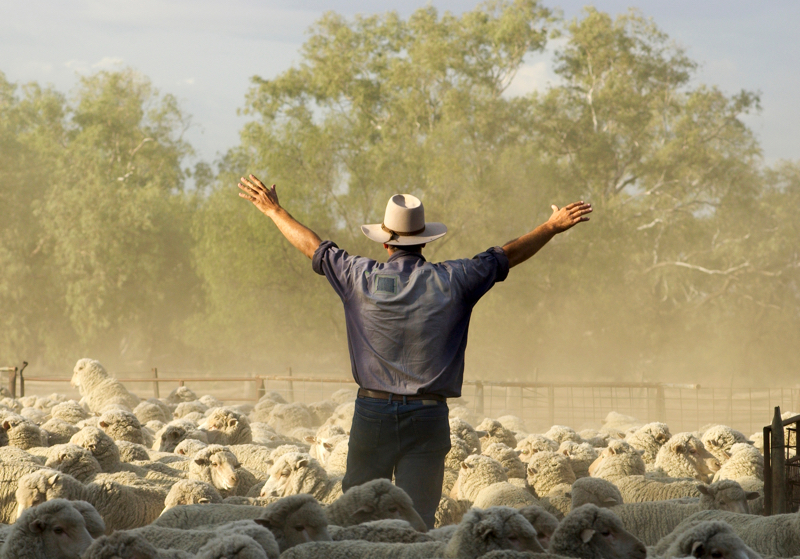
And yet, amidst this flurry of activity, divisive talks surrounding the controversial practice of mulesing in Australia continue to go around in circles.