Vietnam vies with Bangladesh for the title of the world’s second biggest garment manufacturer after China. But with most of its factories reliant on coal-fired energy, it’s also responsible for a big chunk of the industry’s carbon footprint.
With that in mind, the Clean Energy Investment Accelerator (CEIA) public-private partnership and two non-profits, Apparel Impact Institute (Aii) and IDH Sustainable Trade Initiative from the Netherlands, last year launched a project aimed at transitioning the sector towards renewable energy.
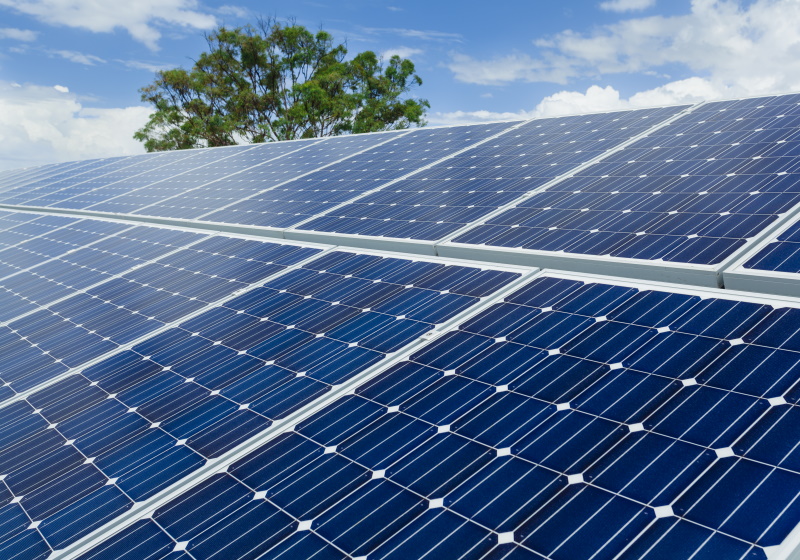
Six brands and retailers – Icebug, Arc’teryx, Columbia, Gap Inc, Lululemon Athletica and Target – were recruited to work with their suppliers to encourage them to replace coal-powered energy with rooftop solar panels.