Deforestation group ‘practical’ over leather sourcing

Share
Share

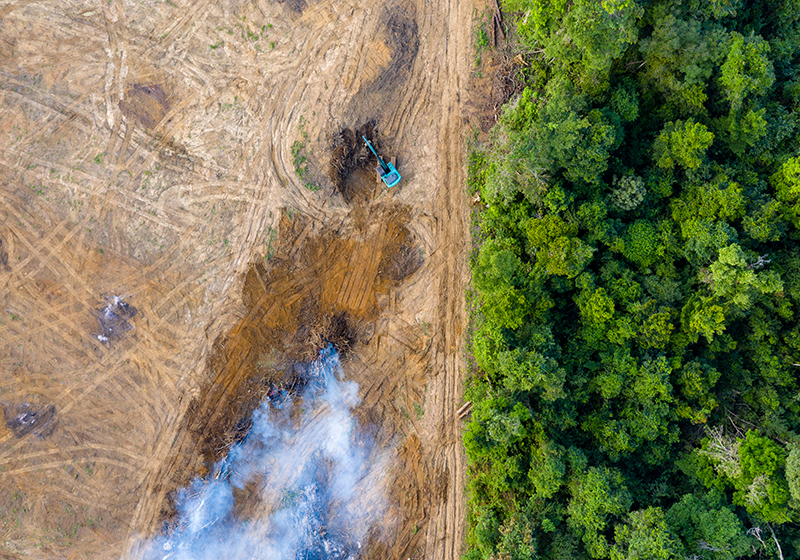
LONDON – Apparel sector non-profits Textile Exchange and Leather Working Group have joined forces to issue the Deforestation-Free Call to Action for Leather, urging brands and retailers to adopt responsible leather sourcing by 2030. 

A number of major companies have already become signatories, with their respective progress set to be published annually as part of the Textile Exchange Materials Benchmark.  

In recognition of the length and complexity of leather supply chains, along with the early stage the industry is at in combatting deforestation, the initiative is taking a “longer-term and more practical approach” than other NGOs which have set targets for 2025, Anne Gillespie, director of impact acceleration at Textile Exchange, told Ecotextile News. 

Newsletter

Read our top news stories delivered straight to your inbox.

Share

Recommended

Latest Magazine

Features
Why China’s new wastewater standard is only one part of a broader shift spanning environmental law
As Brussels switches on its product passport registry, fashion’s supply chain data gaps threaten a bumpy rollout
As green claims face closer regulatory scrutiny liability no longer sits solely with the brands
News
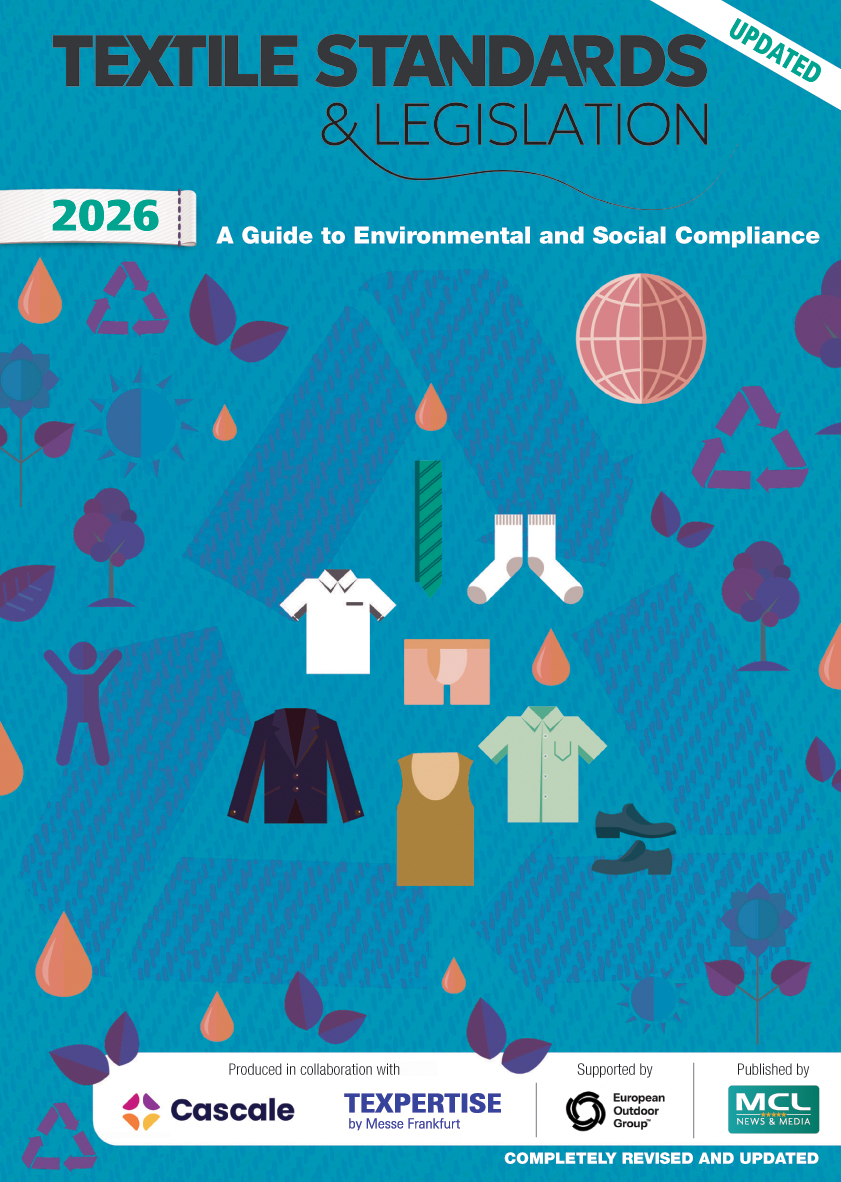
Preview of our Textile Standards & Legislation Guide
China’s strengthened rules make officials personally accountable for serious environmental damage
New process to strip reactive dyes from cotton could benefit textile-to-textile recycling
Opinion
European factory closures show costs, geography and demand decide which materials survive

Other publications from MCL News & Media

Scroll to Top
Logo

Our free newsletter showcases the very best of our journalism, delivered to you twice a week

Advertising
With Us

Help to support the purpose-led work of our team of journalists, international correspondents, and partners – and expose your product or service to our global readership.

Subscribe to our magazine today and receive exclusive online content

Subscribe