Isotopic testing ‘reveals Xinjiang cotton links’

Share
Share

WASHINGTON DC – Customs officials in the US have reportedly confirmed that isotopic testing found that more than a quarter of the garment and footwear imports which they checked were linked to China’s Xinjiang region.

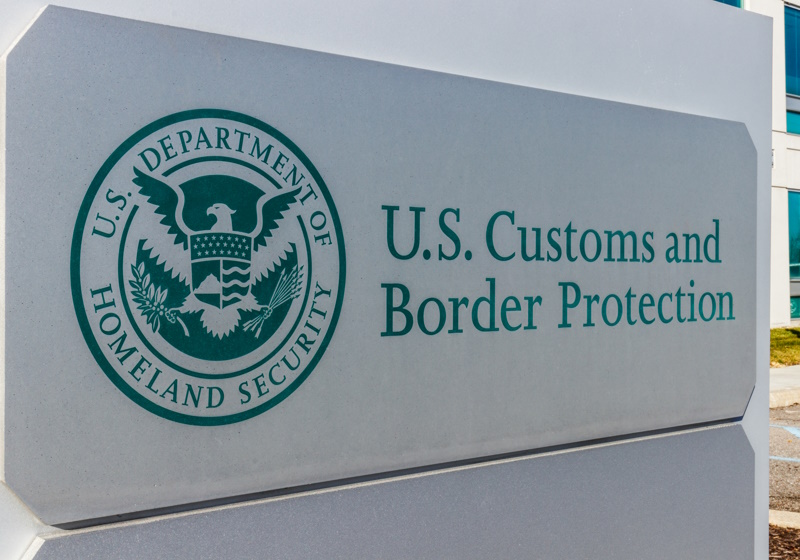
US Customs and Border Protection (CBP) checks apparel imports to ensure they comply with the Uyghur Forced Labour Prevention Act (UFLPA) which bans imports of goods from Xinjiang on the presumption they were made with forced labour unless it can be proved otherwise.

CBP data has now revealed that 27% of isotopic tests performed on garments and footwear during May this year showed links to cotton from Xinjiang, according to documents obtained by the Reuters news agency under the Freedom of Information Act.

Newsletter

Read our top news stories delivered straight to your inbox.

Share

Recommended

Latest Magazine

Features
Disclosures of AI misconduct raise fresh questions over controls on the new technology as it enters textile sustainability and supply chain data systems
A European Space Agency-backed traceability initiative has completed testing in preparation for a pilot in live cotton supply chains
Why textile recycling’s growth does not simply depend on developing better technology
Opinion
As the EU develops rules to reward longer-lasting clothing, durability must take priority over fibre origin – and testing must reflect how garments actually wear out
News
Norrøna and Uluu team up to in a bid to develop seaweed-derived performance textiles
New standalone Foundational Environmental Performance module establishes a common baseline for factory environmental management
A challenge to IKEA’s sourcing safeguards raises questions about forest protection, with implications for textile materials

Other publications from MCL News & Media

Scroll to Top
Logo

Our free newsletter showcases the very best of our journalism, delivered to you twice a week

Advertising
With Us

Help to support the purpose-led work of our team of journalists, international correspondents, and partners – and expose your product or service to our global readership.

Subscribe to our magazine today and receive exclusive online content

Subscribe