METZ – The After-Biochem project, a major initiative funded by the European Union’s Horizon 2020 programme and the Bio-Based Industries Joint Undertaking (BBI JU), says it has succeeded in in creating a ‘first-of-its-kind’ industrial plant that transforms sugar industry byproducts and organic waste into carboxylic acids and esters, key raw materials for textile fibres.
Led by sustainable chemistry specialist Afyren, the consortium confirmed its project had come to an end after delivering on its pledge to demonstrate a sustainable and scalable biorefinery model for converting biomass residues into the high-value bio-based building blocks for products such as polyester and nylon.
The five-year project encompassed work from 12 different industry partners and a total budget of €33 million, including €20 million of EU funding.
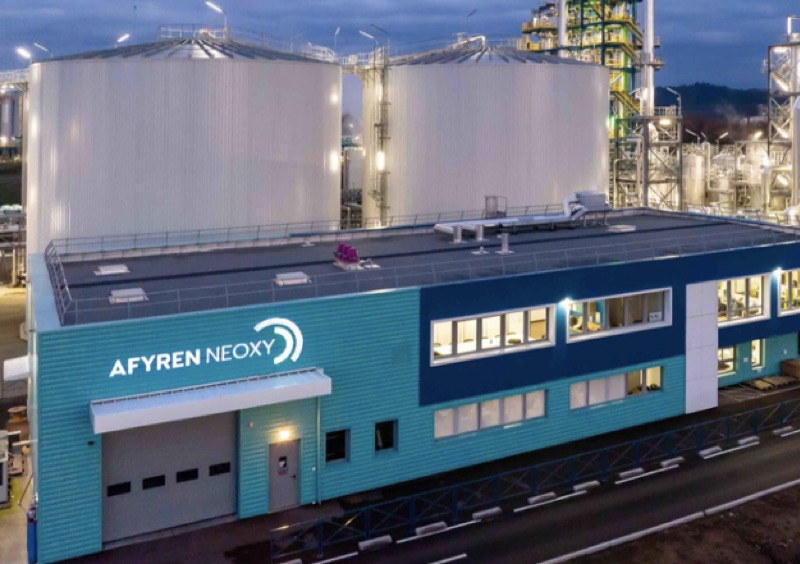
Nicoló Giacomuzzi-Moore, executive director, CBE JU, said the primary ambition to build and operate a flagship biorefinery capable of producing 16,000 tonnes per year of bio-based acids had been achieved, and had led to the creation of close to 80 industrial jobs in Carling Saint Avold, France, to operate the biorefinery.
“The successful completion of the After-Biochem project marks a significant milestone for Europe’s bioeconomy,” he said.
“Led by Afyren, this project puts sustainability and circularity at the heart of industrial transformation, demonstrating how cutting-edge bio-based solutions can make our industries greener and more resilient.
“Its success is a testament to the power of combining CBE JU funding with regional and local support, and it showcases how strong public-private collaboration can drive real, long lasting impact.”
The project included the development of the Afynerie process, an anaerobic biomimetic fermentation of sugar beet byproducts in collaboration with Germany-based, foodstuffs multi-national, Südzucker AG, and the exploration of alternative feedstocks such as biowaste from France’s Suez Group, for the bio-based acids production.
As short to medium term objectives, Afyren says it expects to ramp-up production, deliver products to its customers on a regular basis and reach the plant’s financial breakeven. Longer term objectives include the replication of new plants through partnerships, relying on local supply of biomass coproducts for the production of the bio-based acids.
Nicolas Sordet, Afyren’s CEO added: “The past five years have been an outstanding experience: building teams of diverse experts, tackling major industrial challenges and meeting the needs of our clients.
“After-Biochem has proven a business model for the future which will improve the environmental impact of many final products. We are deeply thankful to our partners and the European Commission for their support in making this possible.”