Startup weaves barcodes in fabric for recycling

Share
Share

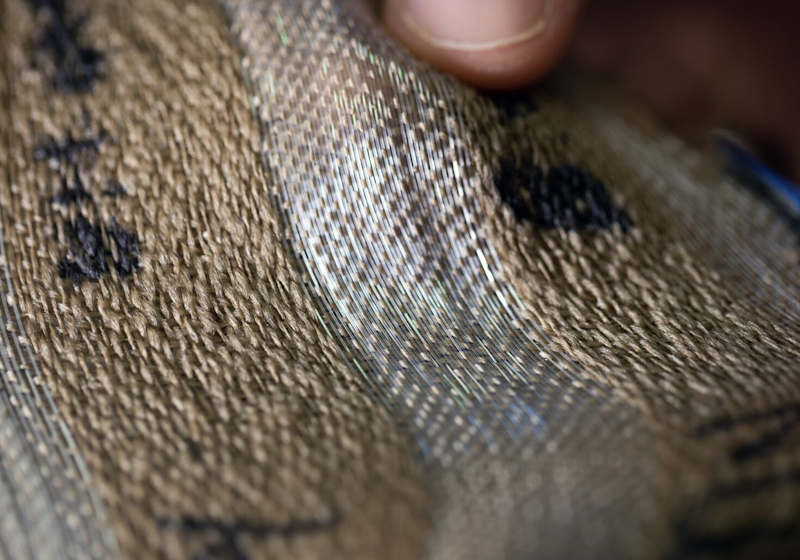
University of Michigan spin-out says its photonic fibres can reveal where and how goods are made, and what they are made of

Credit: Marcin Szczepanski, Michigan Engineering

ANN ARBOR - University of Michigan (U-M) spin-out Fibarcode has developed a technology to weave barcodes in fabrics in a bid to make clothing and other textiles more recyclable and harder to counterfeit.

With around $1.6 million in support from a National Science Foundation Small Business Technology Transfer Fast-Track grant, Fibarcode hopes to develop the technology - which identifies where and how goods are made, as well as what they are made of - for commercial use.

Newsletter

Read our top news stories delivered straight to your inbox.

Share

Recommended

Latest Magazine

Features
Why China’s new wastewater standard is only one part of a broader shift spanning environmental law
As Brussels switches on its product passport registry, fashion’s supply chain data gaps threaten a bumpy rollout
As green claims face closer regulatory scrutiny liability no longer sits solely with the brands
News
Preview of our Textile Standards & Legislation Guide
China’s strengthened rules make officials personally accountable for serious environmental damage
New process to strip reactive dyes from cotton could benefit textile-to-textile recycling
Opinion
European factory closures show costs, geography and demand decide which materials survive

Other publications from MCL News & Media

Scroll to Top
Logo

Our free newsletter showcases the very best of our journalism, delivered to you twice a week

Advertising
With Us

Help to support the purpose-led work of our team of journalists, international correspondents, and partners – and expose your product or service to our global readership.

Subscribe to our magazine today and receive exclusive online content

Subscribe