California weighs competing textile EPR proposals

Share
Share

California’s ambitious waste-reduction experiment is taking shape as the state Department of Resources Recycling and Recovery (CalRecycle) evaluates three competing proposals to run the nation’s first extended producer responsibility (EPR) program for discarded clothing and textiles

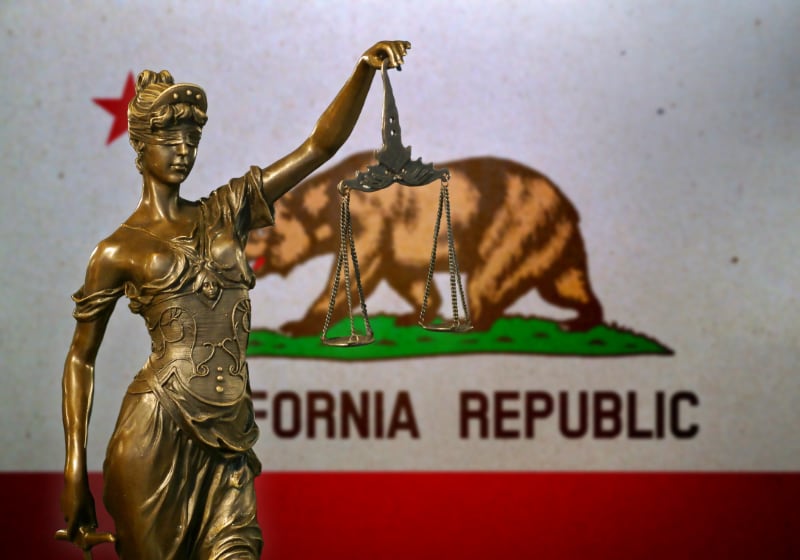
California justice flag
The first U.S. textile-specific EPR regime places financial and operational responsibility on the industry.

SAN FRANCISCO – Under the Responsible Textile Recovery Act (SB 707), signed into law by Gov. Gavin Newsom in September 2024, producers of apparel, linens, handbags and other covered textile items are required to form or join a designated Producer Responsibility Organisation (PRO) that can implement a statewide system for collection, reuse, repair and recycling. The law is the first U.S. textile-specific EPR regime and places financial and operational responsibility on the industry rather than consumers and local governments.

CalRecycle, the agency administering the law, must review all eligible PRO applications and select one by 1 March 2026. A PRO is expected to be up and running with a comprehensive plan detailing how textile waste will be diverted from landfills, how infrastructure will be financed, and how performance metrics will be met and monitored.

Newsletter

Read our top news stories delivered straight to your inbox.

Share

Recommended

Latest Magazine

Features
Disclosures of AI misconduct raise fresh questions over controls on the new technology as it enters textile sustainability and supply chain data systems
A European Space Agency-backed traceability initiative has completed testing in preparation for a pilot in live cotton supply chains
Why textile recycling’s growth does not simply depend on developing better technology
Opinion
As the EU develops rules to reward longer-lasting clothing, durability must take priority over fibre origin – and testing must reflect how garments actually wear out
News
Norrøna and Uluu team up to in a bid to develop seaweed-derived performance textiles
New standalone Foundational Environmental Performance module establishes a common baseline for factory environmental management
A challenge to IKEA’s sourcing safeguards raises questions about forest protection, with implications for textile materials

Other publications from MCL News & Media

Scroll to Top
Logo

Our free newsletter showcases the very best of our journalism, delivered to you twice a week

Advertising
With Us

Help to support the purpose-led work of our team of journalists, international correspondents, and partners – and expose your product or service to our global readership.

Subscribe to our magazine today and receive exclusive online content

Subscribe