EU’s digital passports: chemistry without clarity

Share
Share

As Brussels races to hard‑wire “substances of concern” into every garment’s Digital Product Passport, the fashion sector faces legal ambiguity, data gaps and over‑promising IT “solutions” that risk turning a powerful transparency tool into a box‑ticking exercise in chemophobia

Safety officers inspect and tick a check lists of explosion materials that may have explosive properties if not stored properly, such as gases, gunpowder, or various chemical compounds
The current proposal appears to demand detailed, transparent, honest information – but the (non-expert) enforcement is restricted.

YORK –  The Eco-Design for Sustainable Products Regulation (ESPR) is overarching EU legislation and, as part of this, EU-based manufacturers or EU-based importers will have to complete a Digital Product Passport (DPP), which includes information such as details of production routes, water and energy use, and carbon footprint, as well as product durability and ‘Substances of Concern’ (SoC). But will the EU Digital Product Passport provide scrutiny and control of chemicals, or is it missing something very important?

Do the authorities genuinely believe that irresponsible chemical formulators, manufacturers and brands are going to suddenly develop a conscience and declare the lead, phthalates, cadmium and Chrome VI, that’s routinely discovered by current market surveillance, on a DPP?

Newsletter

Read our top news stories delivered straight to your inbox.

Share

Recommended

Latest Magazine

Features
Why China’s new wastewater standard is only one part of a broader shift spanning environmental law
As Brussels switches on its product passport registry, fashion’s supply chain data gaps threaten a bumpy rollout
As green claims face closer regulatory scrutiny liability no longer sits solely with the brands
News
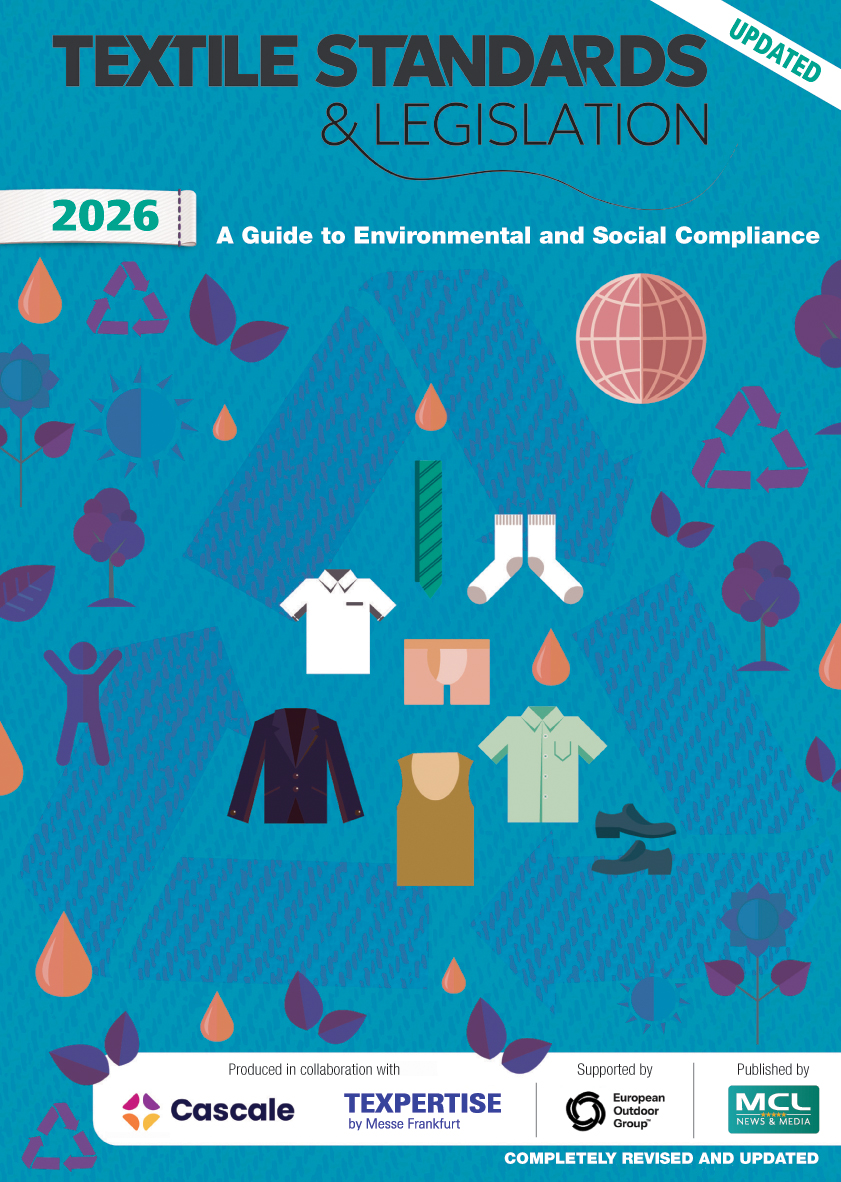
Preview of our Textile Standards & Legislation Guide
China’s strengthened rules make officials personally accountable for serious environmental damage
New process to strip reactive dyes from cotton could benefit textile-to-textile recycling
Opinion
European factory closures show costs, geography and demand decide which materials survive

Other publications from MCL News & Media

Scroll to Top
Logo

Our free newsletter showcases the very best of our journalism, delivered to you twice a week

Advertising
With Us

Help to support the purpose-led work of our team of journalists, international correspondents, and partners – and expose your product or service to our global readership.

Subscribe to our magazine today and receive exclusive online content

Subscribe