GRI urges EU to recognise global reporting

Share
Share

Global Reporting Initiative (GRI) has called on EFRAG to let non-EU companies use existing sustainability disclosures to comply with proposed EU impact-reporting rules.

In its response to the consultation on draft ESRS-40a, GRI says assured GRI reporting should count towards compliance, reducing duplication for companies with significant EU activities.

GRI says its Standards cover 97% of ESRS-40a disclosure requirements, in whole or part, and 79% of data points. Most likely in-scope companies already report using GRI, including 84% in China and 77% in Japan.

The draft standard, open for consultation until 31st October, covers impacts on people and the environment and would apply from financial years starting on or after 1st January 2028.

GRI CEO Robin Hodess said: “Let’s ensure that ESRS-40a strengthens corporate transparency in ways that are practical and effective.”

Susanne Stormer, chair of GRI’s Global Sustainability Standards Board, said recognising assured GRI disclosures would “turn this interoperability into practice”.

Newsletter

Read our top news stories delivered straight to your inbox.

Share

Recommended

Latest Magazine

Features
Why China’s new wastewater standard is only one part of a broader shift spanning environmental law
As Brussels switches on its product passport registry, fashion’s supply chain data gaps threaten a bumpy rollout
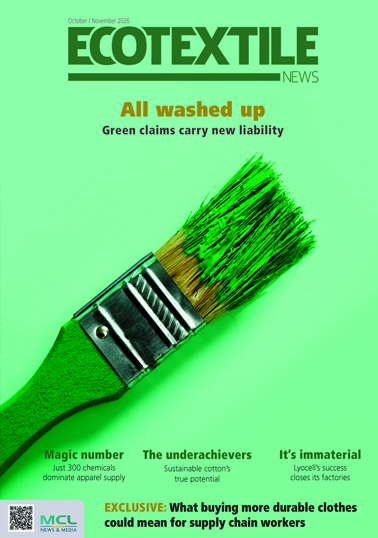
As green claims face closer regulatory scrutiny liability no longer sits solely with the brands
News
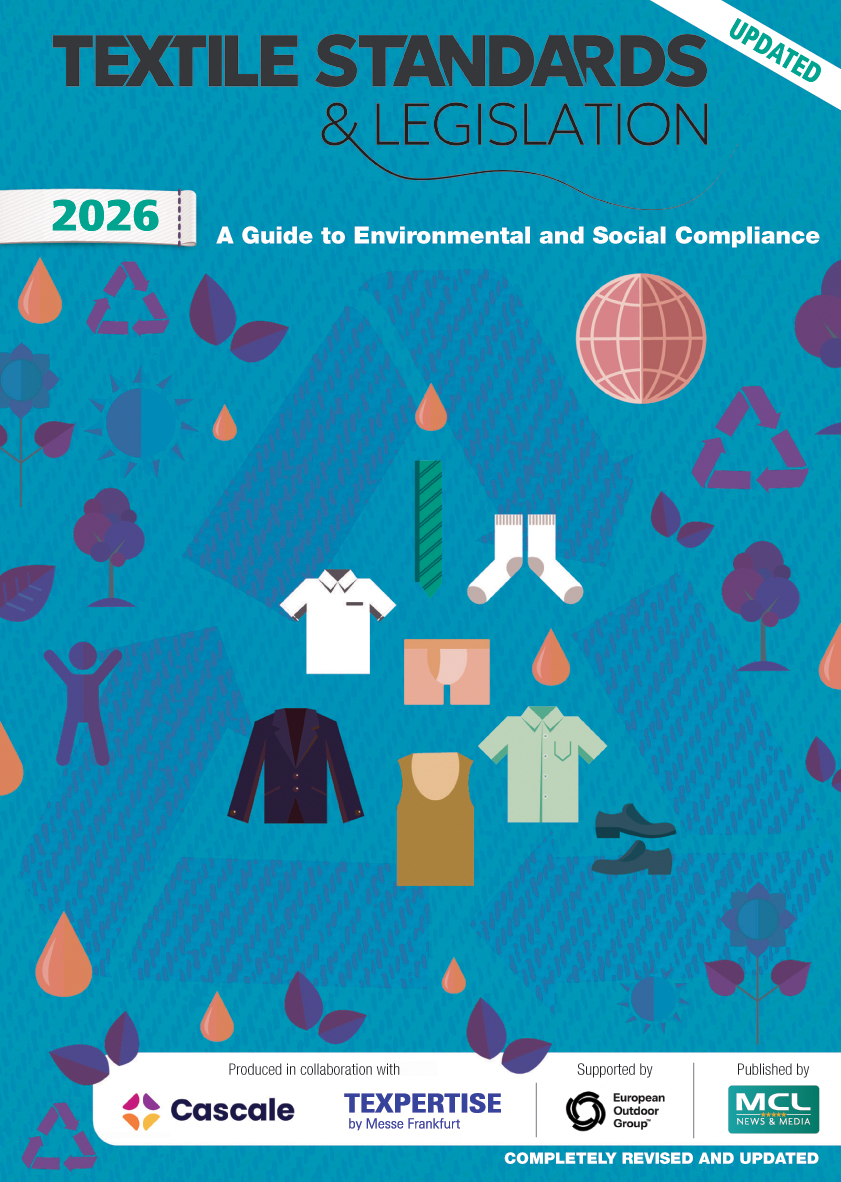
Preview of our Textile Standards & Legislation Guide
China’s strengthened rules make officials personally accountable for serious environmental damage
New process to strip reactive dyes from cotton could benefit textile-to-textile recycling
Opinion
European factory closures show costs, geography and demand decide which materials survive

Other publications from MCL News & Media

Scroll to Top
Logo

Our free newsletter showcases the very best of our journalism, delivered to you twice a week

Advertising
With Us

Help to support the purpose-led work of our team of journalists, international correspondents, and partners – and expose your product or service to our global readership.

Subscribe to our magazine today and receive exclusive online content

Subscribe