Higher fee for synthetics in Norway’s EPR?

Share
Share

OSLO – Proposals to establish an extended producer responsibility (EPR) scheme for textiles in Norway could see companies charged a higher levy for products made with synthetic fibres such as polyester or nylon.

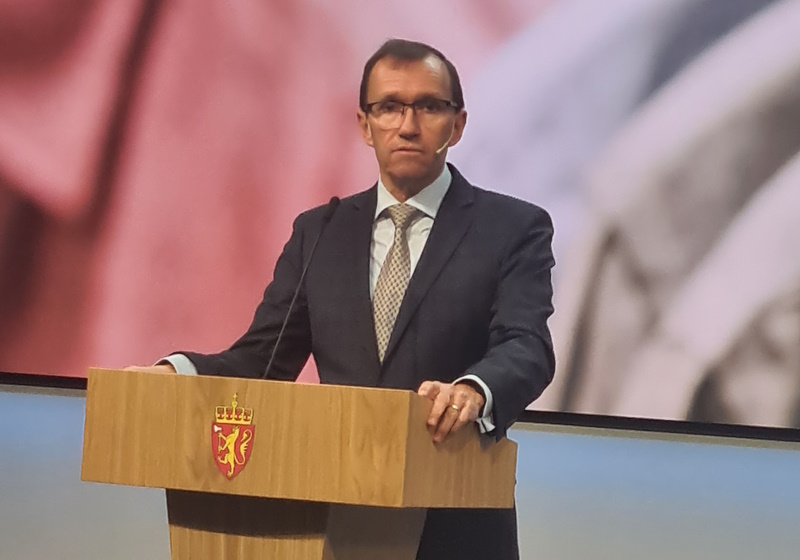
That is the most radical suggestion of a working group set up to consider how best to implement an EPR scheme in Norway which has just presented its 89-page report to Environment and Climate Minister Espen Barth Eide.

The proposal is in contrast to the European Commission’s proposed EPR scheme for textiles which would see companies charged for the products they put on the market by weight – a system which the Norwegian group argues favours synthetic materials because they are lighter than so-called natural fibres.

Newsletter

Read our top news stories delivered straight to your inbox.

Share

Recommended

Latest Magazine

Features
Disclosures of AI misconduct raise fresh questions over controls on the new technology as it enters textile sustainability and supply chain data systems
A European Space Agency-backed traceability initiative has completed testing in preparation for a pilot in live cotton supply chains
Why textile recycling’s growth does not simply depend on developing better technology
Opinion
As the EU develops rules to reward longer-lasting clothing, durability must take priority over fibre origin – and testing must reflect how garments actually wear out
News
Norrøna and Uluu team up to in a bid to develop seaweed-derived performance textiles
New standalone Foundational Environmental Performance module establishes a common baseline for factory environmental management
A challenge to IKEA’s sourcing safeguards raises questions about forest protection, with implications for textile materials

Other publications from MCL News & Media

Scroll to Top
Logo

Our free newsletter showcases the very best of our journalism, delivered to you twice a week

Advertising
With Us

Help to support the purpose-led work of our team of journalists, international correspondents, and partners – and expose your product or service to our global readership.

Subscribe to our magazine today and receive exclusive online content

Subscribe