Major minor setbacks

Share
Share

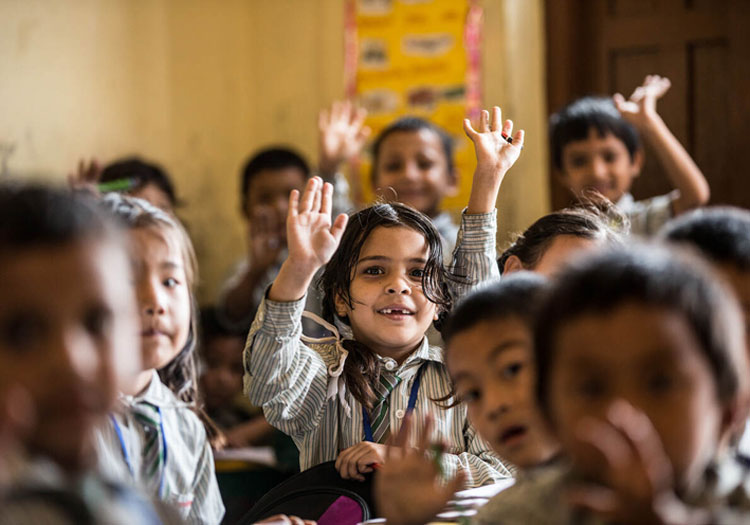
With the cacophony of discussion around how to make fashion ‘sustainable’ and ‘circular’ it’s easy to lose sight of the sector’s other pressing issues. David Styles examines several recent child labour reports which urge the industry to act in offering protection to vulnerable minors.

Apart from talk of boycotting cotton from Uzbekistan or Turkmenistan due to the alleged prevalence of child labour, particularly in the middle of the decade, apparel sector rights violations of this kind have not been discussed as intently as other issues – whether social or environmental.

A group of major brands and retailers, for example, last year took a stance on labour standards, signing the Responsible Sourcing Network Turkmen Cotton Pledge. This coalition included Adidas, Gap, H&M, M&S, Nike and VF Corporation. While this signalled both intent and acknowledgement of the problem, once again it was limited to a very niche area of the value chain. The wider child labour violations were not seen as a priority.

Several recent reports have, however, brought the issue back into the industry’s mainstream consciousness. Governments and NGOs are working hard to destroy this practice at source but, as with so many rights abuses in supply chains, brands – driven by consumer pressure – can place the most leverage on suppliers to ensure an end to malpractice.

With the cacophony of discussion around how to make fashion ‘sustainable’ and ‘circular’ it’s easy to lose sight of the sector’s other pressing issues. David Styles examines several recent child labour reports which urge the industry to act in offering protection to vulnerable minors.

Apart from talk of boycotting cotton from Uzbekistan or Turkmenistan due to the alleged prevalence of child labour, particularly in the middle of the decade, apparel sector rights violations of this kind have not been discussed as intently as other issues – whether social or environmental.

A group of major brands and retailers, for example, last year took a stance on labour standards, signing the Responsible Sourcing Network Turkmen Cotton Pledge. This coalition included Adidas, Gap, H&M, M&S, Nike and VF Corporation. While this signalled both intent and acknowledgement of the problem, once again it was limited to a very niche area of the value chain. The wider child labour violations were not seen as a priority.

Several recent reports have, however, brought the issue back into the industry’s mainstream consciousness. Governments and NGOs are working hard to destroy this practice at source but, as with so many rights abuses in supply chains, brands – driven by consumer pressure – can place the most leverage on suppliers to ensure an end to malpractice.

Newsletter

Read our top news stories delivered straight to your inbox.

Share

Recommended

Latest Magazine

Features
Why China’s new wastewater standard is only one part of a broader shift spanning environmental law
As Brussels switches on its product passport registry, fashion’s supply chain data gaps threaten a bumpy rollout
As green claims face closer regulatory scrutiny liability no longer sits solely with the brands
News
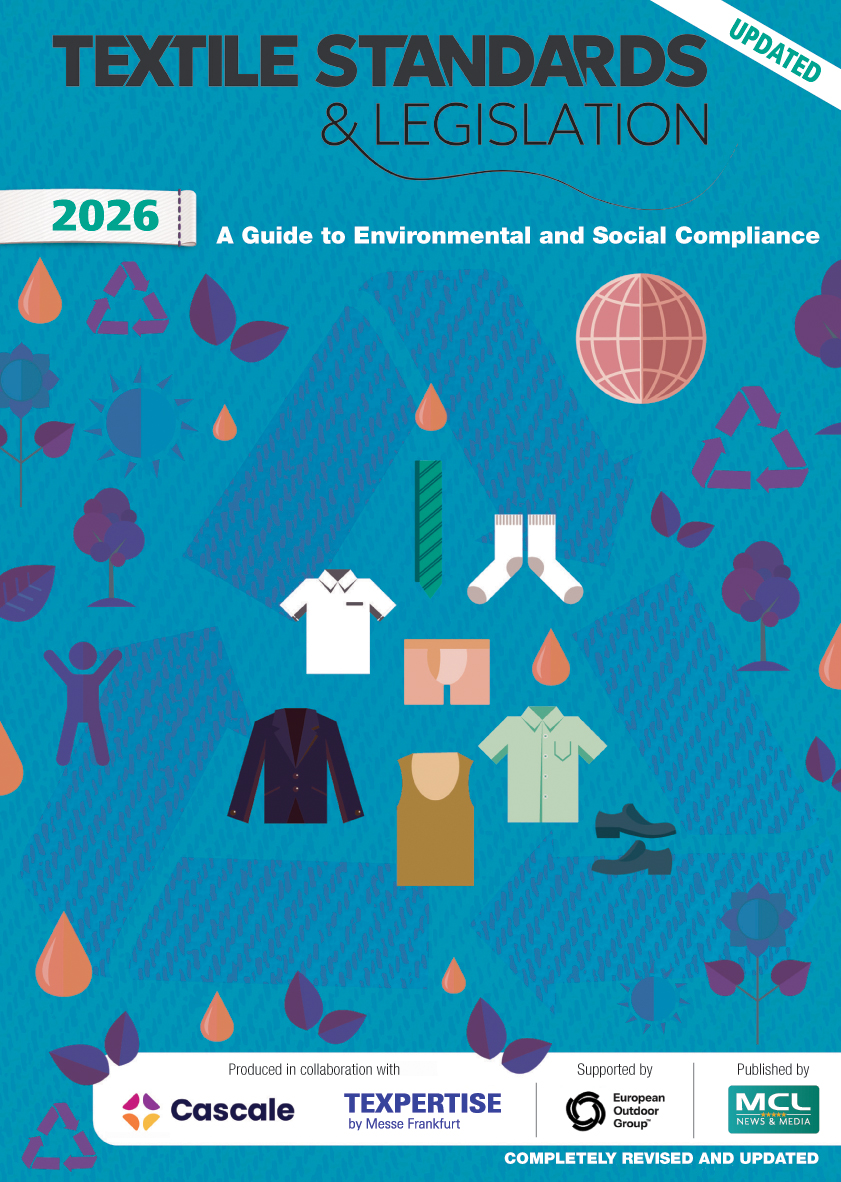
Preview of our Textile Standards & Legislation Guide
China’s strengthened rules make officials personally accountable for serious environmental damage
New process to strip reactive dyes from cotton could benefit textile-to-textile recycling
Opinion
European factory closures show costs, geography and demand decide which materials survive

Other publications from MCL News & Media

Scroll to Top
Logo

Our free newsletter showcases the very best of our journalism, delivered to you twice a week

Advertising
With Us

Help to support the purpose-led work of our team of journalists, international correspondents, and partners – and expose your product or service to our global readership.

Subscribe to our magazine today and receive exclusive online content

Subscribe