Is textile sorting infrastructure lacking?

Share
Share

Earlier this year, textile recycling innovator Infinited Fiber Company (IFC) published a mid-way report of the New Cotton Project it started back in 2020.

The EU-funded initiative was, to all intents and purposes, centred on IFC’s proprietary technology but rallied a network of supply chain partners – from collectors and sorters through to brand affiliates – with the view to demonstrating that its recycled ‘Infinna’ fibre can feasibly be produced in increasing quantities to meet the demands of fashion firms.

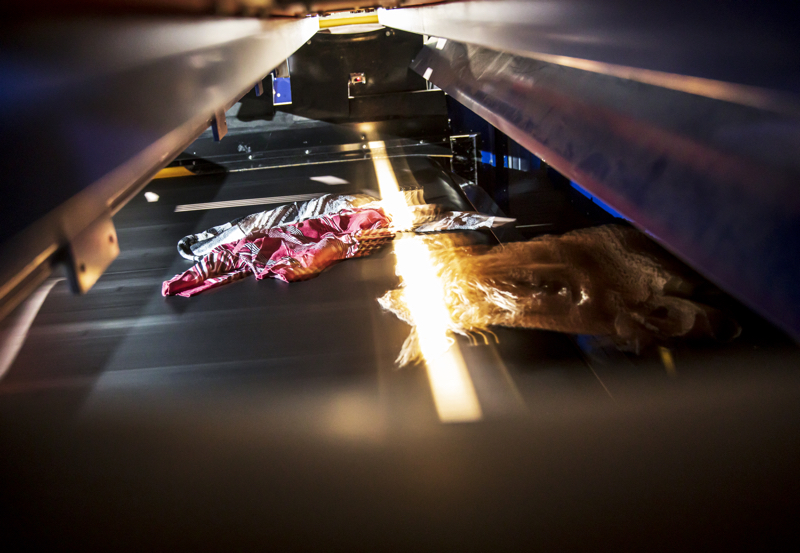
And whilst progress has been made – with project partners Adidas and H&M set to release garments made using IFC’s technology – establishing the foundations of a supply chain fit to accommodate circular practices has unearthed what appears to be weak points. Namely, the mid-way report highlighted deficiencies in the industry’s textile sorting infrastructure, citing the “lack of a unified way to sort”.

Earlier this year, textile recycling innovator Infinited Fiber Company (IFC) published a mid-way report of the New Cotton Project it started back in 2020.

The EU-funded initiative was, to all intents and purposes, centred on IFC’s proprietary technology but rallied a network of supply chain partners – from collectors and sorters through to brand affiliates – with the view to demonstrating that its recycled ‘Infinna’ fibre can feasibly be produced in increasing quantities to meet the demands of fashion firms.

And whilst progress has been made – with project partners Adidas and H&M set to release garments made using IFC’s technology – establishing the foundations of a supply chain fit to accommodate circular practices has unearthed what appears to be weak points. Namely, the mid-way report highlighted deficiencies in the industry’s textile sorting infrastructure, citing the “lack of a unified way to sort”.

Newsletter

Read our top news stories delivered straight to your inbox.

Share

Recommended

Latest Magazine

Features
Why China’s new wastewater standard is only one part of a broader shift spanning environmental law
As Brussels switches on its product passport registry, fashion’s supply chain data gaps threaten a bumpy rollout
As green claims face closer regulatory scrutiny liability no longer sits solely with the brands
News
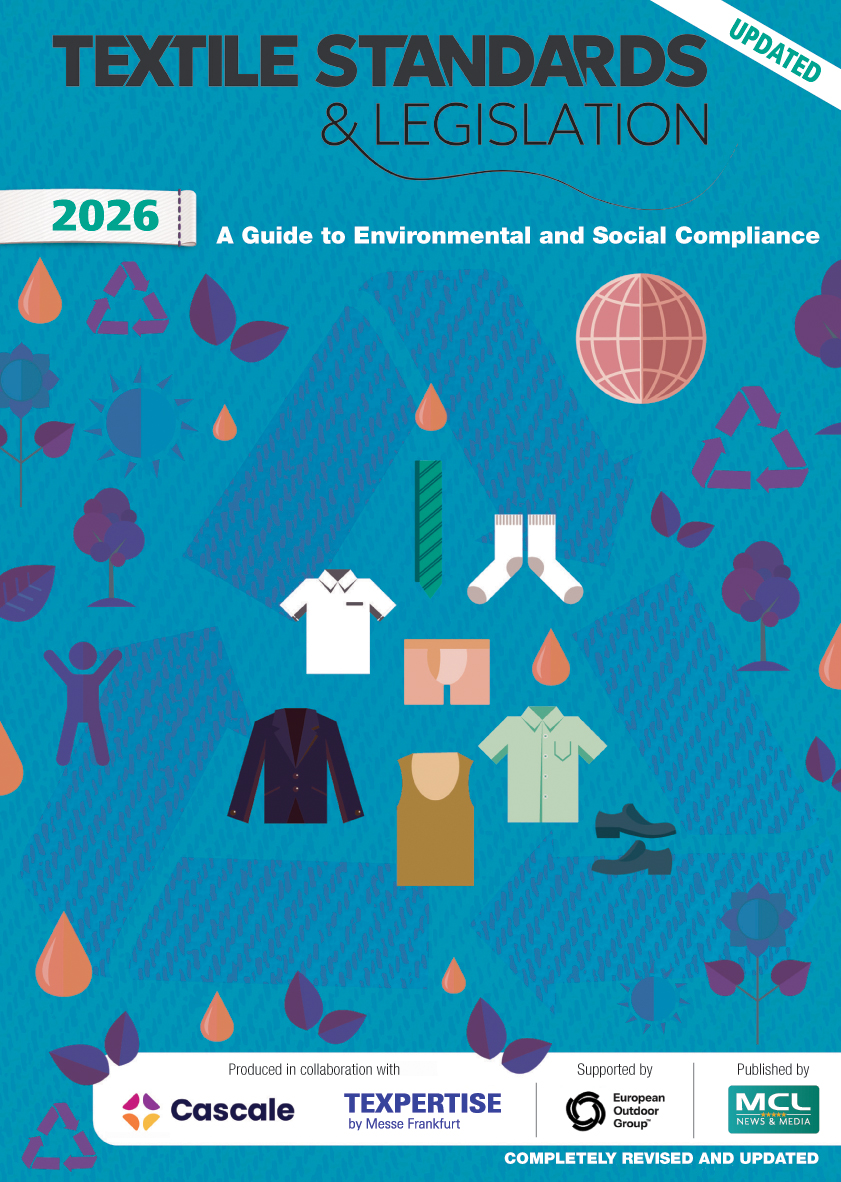
Preview of our Textile Standards & Legislation Guide
China’s strengthened rules make officials personally accountable for serious environmental damage
New process to strip reactive dyes from cotton could benefit textile-to-textile recycling
Opinion
European factory closures show costs, geography and demand decide which materials survive

Other publications from MCL News & Media

Scroll to Top
Logo

Our free newsletter showcases the very best of our journalism, delivered to you twice a week

Advertising
With Us

Help to support the purpose-led work of our team of journalists, international correspondents, and partners – and expose your product or service to our global readership.

Subscribe to our magazine today and receive exclusive online content

Subscribe