Why risk should equal reward for suppliers

Share
Share

The textile industry is made up of all sorts of manufacturers, each with their own focus and approach. On one end of the spectrum are smaller mills that operate under short-term goals, driven by immediate client needs, market trends and the requirement to turn a profit. Conversely, some larger, vertically integrated manufacturers may focus more on long-term, strategic engagement with their clients, says Rogier van Mazijk, Fund Manager at the Textile Innovation Fund.

A few decades ago, it was common for textile mills to design collections and present them to retailers. The final decision still rested with the retailer or brand, but suppliers had much more autonomy before the rapid globalisation of the textile sector after the Agreement on Textiles and Clothing expired on 1 January 2005. 

The textile industry is made up of all sorts of manufacturers, each with their own focus and approach. On one end of the spectrum are smaller mills that operate under short-term goals, driven by immediate client needs, market trends and the requirement to turn a profit. Conversely, some larger, vertically integrated manufacturers may focus more on long-term, strategic engagement with their clients, says Rogier van Mazijk, Fund Manager at the Textile Innovation Fund.

A few decades ago, it was common for textile mills to design collections and present them to retailers. The final decision still rested with the retailer or brand, but suppliers had much more autonomy before the rapid globalisation of the textile sector after the Agreement on Textiles and Clothing expired on 1 January 2005. 

Share

Recommended

Latest Magazine

Features
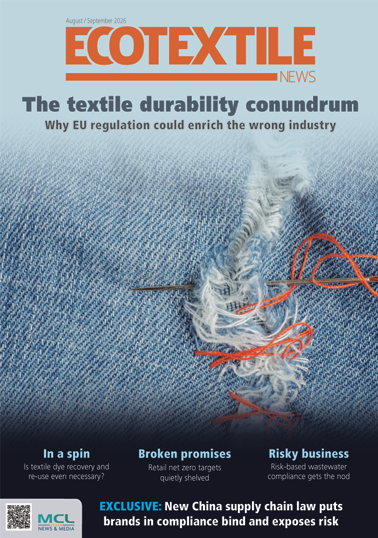
Why the EU’s regulatory push for longer-lasting clothes could enrich the wrong industry.
Textile dye recovery is technically real, but experts warn that it risks becoming a costly sideshow.
When profits wobble, fashion brands default on climate, pushing self-issued net-zero targets over the horizon.
News
A new evidence-based review challenges assumptions over organic cotton’s growth.
EU anti-fraud investigators help block the illegal export and dumping of thousands of tonnes of textiles.
SBTi’s new net-zero standard tightens rules on fashion’s climate claims
Opinion
Exclusive: Uzbek cotton cluster boss hails big reforms as human rights campaigners claim exploitation

Other publications from MCL News & Media

Scroll to Top
Logo

Our free newsletter showcases the very best of our journalism, delivered to you twice a week

Advertising
With Us

Help to support the purpose-led work of our team of journalists, international correspondents, and partners – and expose your product or service to our global readership.

Subscribe to our magazine today and receive exclusive online content

Subscribe