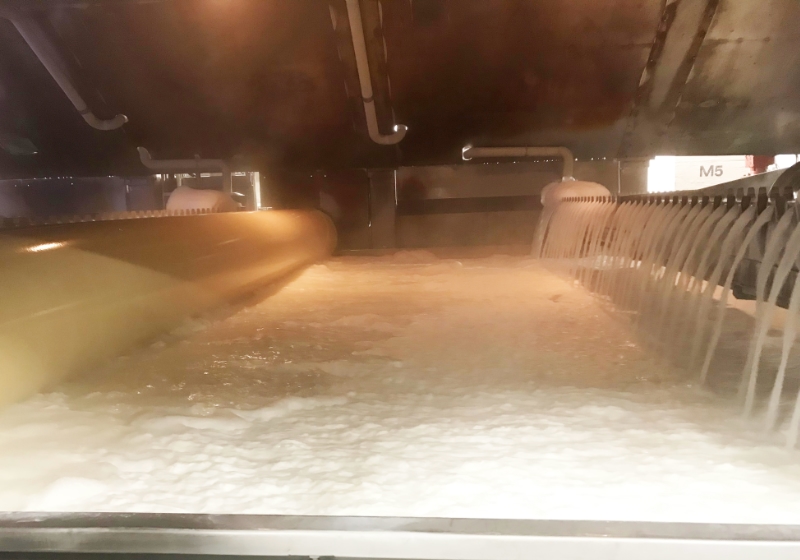
YORK – There is a particular silence that follows the closure of a factory whose products are still wanted. It is easier to understand when a plant has been overtaken by a new material or an obsolete process. Kelheim Fibres was neither.
The German company made speciality viscose fibres for hygiene, filtration and technical applications, had completed restructuring measures and retained the support of much of its customer base.