Garment worker abuse ‘increased in pandemic’

Share
Share

INDIA – Women garment workers at factories in India which supply major brands and retailers have been subjected to widespread gender-based violence and harassment (GBVH) during the COVID-19 pandemic, according to a new study.

Entitled ‘Unbearable Harassment’, the report features testimonies from 90 women in 31 factories supplying 12 global brands and retailers – American Eagle, ASDA, C&A, Carrefour, H&M, JD Sports, Kohl’s, Levi’s, Marks & Spencer, Primark, Tesco and VF Corp.

Carried out across three major Indian garment-producing hubs – Delhi, Karnataka and Tamil Nadu – it was produced by the Business & Human Rights Resource Centre (BHRRC), Asia Floor Wage Alliance (AFWA) and Society for Labour & Development.

INDIA – Women garment workers at factories in India which supply major brands and retailers have been subjected to widespread gender-based violence and harassment (GBVH) during the COVID-19 pandemic, according to a new study.

Entitled ‘Unbearable Harassment’, the report features testimonies from 90 women in 31 factories supplying 12 global brands and retailers – American Eagle, ASDA, C&A, Carrefour, H&M, JD Sports, Kohl’s, Levi’s, Marks & Spencer, Primark, Tesco and VF Corp.

Carried out across three major Indian garment-producing hubs – Delhi, Karnataka and Tamil Nadu – it was produced by the Business & Human Rights Resource Centre (BHRRC), Asia Floor Wage Alliance (AFWA) and Society for Labour & Development.

Newsletter

Read our top news stories delivered straight to your inbox.

Share

Recommended

Latest Magazine

Features
Why China’s new wastewater standard is only one part of a broader shift spanning environmental law
As Brussels switches on its product passport registry, fashion’s supply chain data gaps threaten a bumpy rollout
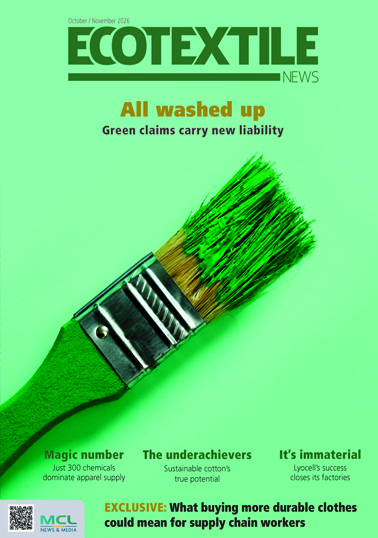
As green claims face closer regulatory scrutiny liability no longer sits solely with the brands
News
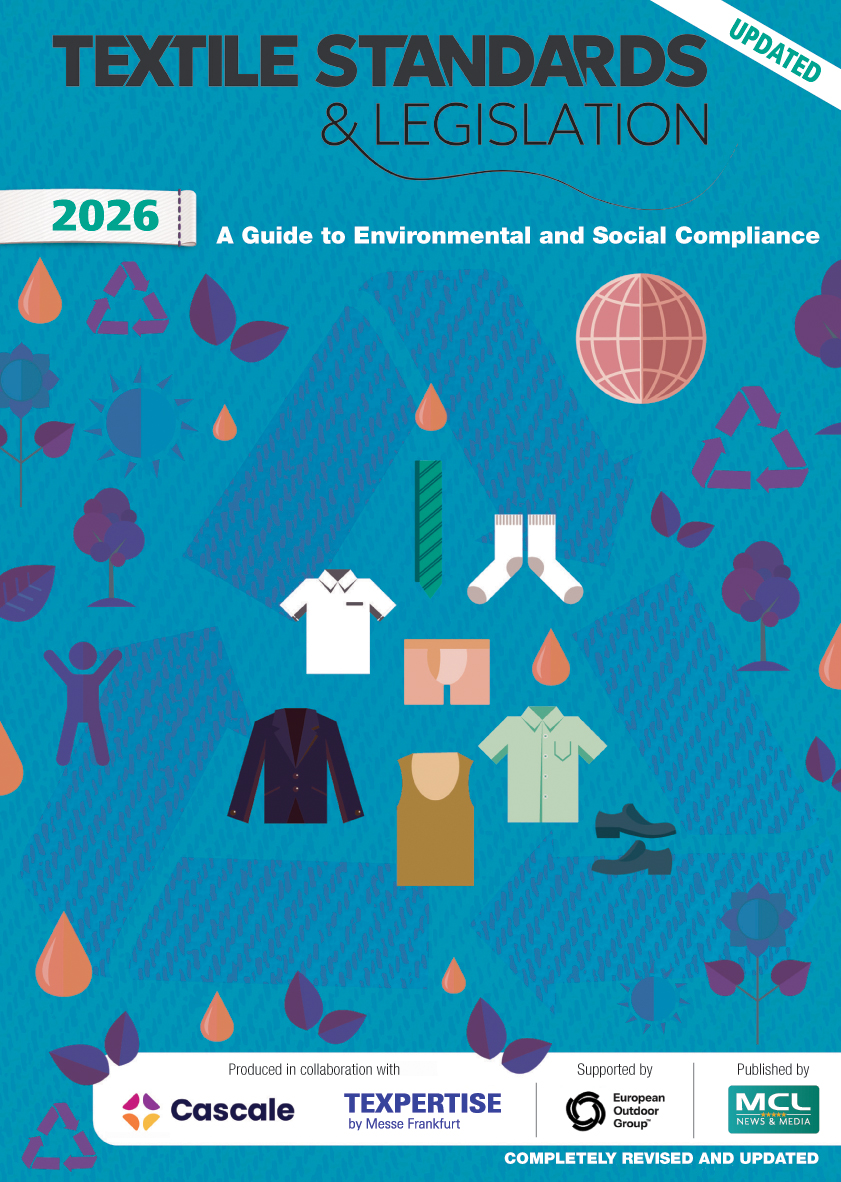
Preview of our Textile Standards & Legislation Guide
China’s strengthened rules make officials personally accountable for serious environmental damage
New process to strip reactive dyes from cotton could benefit textile-to-textile recycling
Opinion
European factory closures show costs, geography and demand decide which materials survive

Other publications from MCL News & Media

Scroll to Top
Logo

Our free newsletter showcases the very best of our journalism, delivered to you twice a week

Advertising
With Us

Help to support the purpose-led work of our team of journalists, international correspondents, and partners – and expose your product or service to our global readership.

Subscribe to our magazine today and receive exclusive online content

Subscribe