Amann resource saving targets align with SDGs

Share
Share

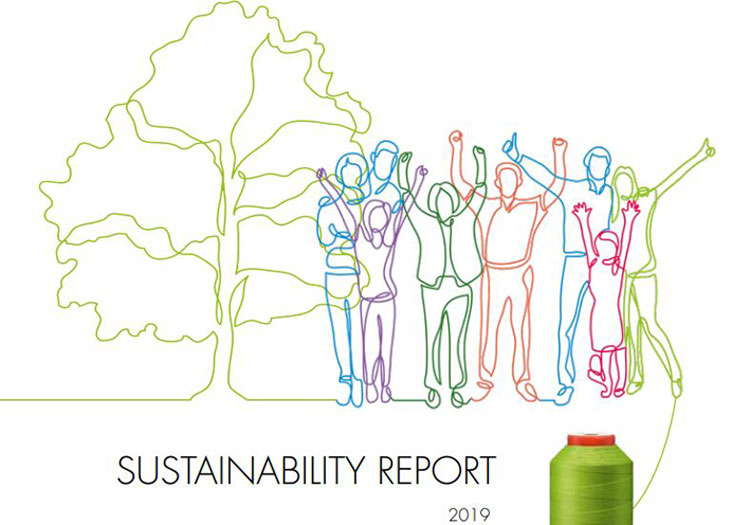
BÖNNIGHEIM – Thread manufacturer, the Amann Group, has released its first ever Sustainability Report, in which it details the notable progress it has made to reduce resource consumption between 2015 and 2018, and lays out targets which it will strive to meet by a 2025 deadline.

Through future investments totalling €6 million, the German firm will look to build on reductions to its power consumption and CO2 emissions of 29 per cent, and water use (per kg produced) of 27 per cent, in an effort to align with the UN Global Compact’s ten principles, to which it has become a new signatory.

The company has identified a selection of the UN’s Sustainable Development Goals (SDGs), which it believes its ongoing work addresses. These, whilst also addressing waste disposal and social issues, include aspirations to achieve similar reductions of resource consumption which, if met, would see the firm halve its power, CO2 emissions and water in a ten year timeframe.

In relation to the latter, Amann says that over the coming years it will look to scale up its wastewater recycling capacity; in particular the introduction of a biological water treatment facility in Bangladesh is seen as integral to its ambitions of achieving zero liquid discharge.

Newsletter

Read our top news stories delivered straight to your inbox.

Share

Recommended

Latest Magazine

Features
Why China’s new wastewater standard is only one part of a broader shift spanning environmental law
As Brussels switches on its product passport registry, fashion’s supply chain data gaps threaten a bumpy rollout
As green claims face closer regulatory scrutiny liability no longer sits solely with the brands
News
Preview of our Textile Standards & Legislation Guide
China’s strengthened rules make officials personally accountable for serious environmental damage
New process to strip reactive dyes from cotton could benefit textile-to-textile recycling
Opinion
European factory closures show costs, geography and demand decide which materials survive

Other publications from MCL News & Media

Scroll to Top
Logo

Our free newsletter showcases the very best of our journalism, delivered to you twice a week

Advertising
With Us

Help to support the purpose-led work of our team of journalists, international correspondents, and partners – and expose your product or service to our global readership.

Subscribe to our magazine today and receive exclusive online content

Subscribe