Fashion climate initiative launches in Poland’s coal hub

Share
Share

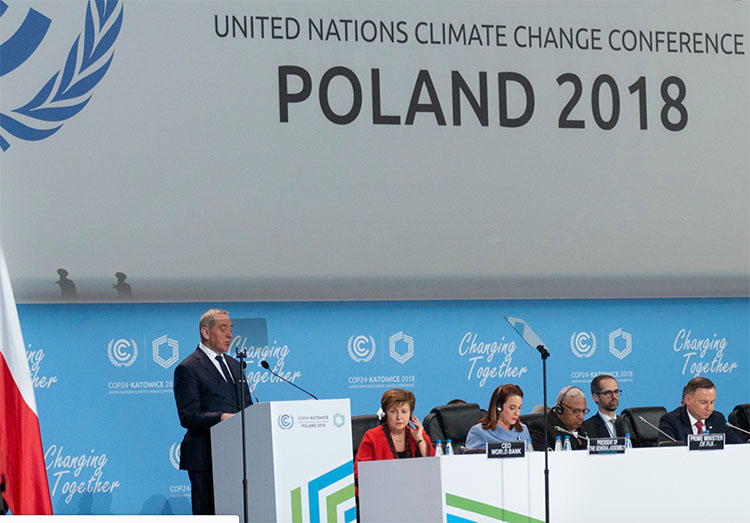
KATOWICE – Under the auspices of UN Climate Change, over forty leading apparel brands, suppliers and supporting organisations have today launched the ‘Fashion Industry Charter for Climate Action’ at the UN Climate Change Conference (COP 24) – which is being held in a town at the very heart of Poland’s large coal industry.

Signatories to the new Charter include brands such as Puma and H&M, who both chaired working groups on the new initiative, as well as Adidas, Burberry, Esprit, Gap, Hugo Boss, Inditex, Kering Group, Levi Strauss and Target, among other organisations.

As reported previously by Ecotextile News, these companies have now set an initial target to reduce their aggregate greenhouse gas emissions by 30 per cent by 2030 and promised to phase out coal-fired boilers or other sources of coal-fired heat and power generation in their own businesses and direct suppliers from 2025.

“The fashion industry is always two steps ahead when it comes to defining world culture, so I am pleased to see it now also leading the way in terms of climate action,” said UN Climate Change Executive Secretary Patricia Espinosa. “The Charter, like the renowned fashion runways of the world, sets an example that I hope others will follow.”

The signatories have appealed for wider support from the fashion sector and urge new parties to sign up to the Charter’s new commitments.

However, the news was tempered somewhat by the Polish government’s decision to allowed COP to be sponsored by three large Polish coal companies – in a very visible sign that powerful elements in the global energy sector are determined to protect their interests at the expense of planetary health.

The coal industry generates around 80 per cent of Poland’s energy needs.

KATOWICE – Under the auspices of UN Climate Change, over forty leading apparel brands, suppliers and supporting organisations have today launched the ‘Fashion Industry Charter for Climate Action’ at the UN Climate Change Conference (COP 24) – which is being held in a town at the very heart of Poland’s large coal industry.

Signatories to the new Charter include brands such as Puma and H&M, who both chaired working groups on the new initiative, as well as Adidas, Burberry, Esprit, Gap, Hugo Boss, Inditex, Kering Group, Levi Strauss and Target, among other organisations.

As reported previously by Ecotextile News, these companies have now set an initial target to reduce their aggregate greenhouse gas emissions by 30 per cent by 2030 and promised to phase out coal-fired boilers or other sources of coal-fired heat and power generation in their own businesses and direct suppliers from 2025.

“The fashion industry is always two steps ahead when it comes to defining world culture, so I am pleased to see it now also leading the way in terms of climate action,” said UN Climate Change Executive Secretary Patricia Espinosa. “The Charter, like the renowned fashion runways of the world, sets an example that I hope others will follow.”

The signatories have appealed for wider support from the fashion sector and urge new parties to sign up to the Charter’s new commitments.

However, the news was tempered somewhat by the Polish government’s decision to allowed COP to be sponsored by three large Polish coal companies – in a very visible sign that powerful elements in the global energy sector are determined to protect their interests at the expense of planetary health.

The coal industry generates around 80 per cent of Poland’s energy needs.

Newsletter

Read our top news stories delivered straight to your inbox.

Share

Recommended

Latest Magazine

Features
Why China’s new wastewater standard is only one part of a broader shift spanning environmental law
As Brussels switches on its product passport registry, fashion’s supply chain data gaps threaten a bumpy rollout
As green claims face closer regulatory scrutiny liability no longer sits solely with the brands
News
Preview of our Textile Standards & Legislation Guide
China’s strengthened rules make officials personally accountable for serious environmental damage
New process to strip reactive dyes from cotton could benefit textile-to-textile recycling
Opinion
European factory closures show costs, geography and demand decide which materials survive

Other publications from MCL News & Media

Scroll to Top
Logo

Our free newsletter showcases the very best of our journalism, delivered to you twice a week

Advertising
With Us

Help to support the purpose-led work of our team of journalists, international correspondents, and partners – and expose your product or service to our global readership.

Subscribe to our magazine today and receive exclusive online content

Subscribe