Court bid fails to stop UK imports of Xinjiang cotton

Share
Share

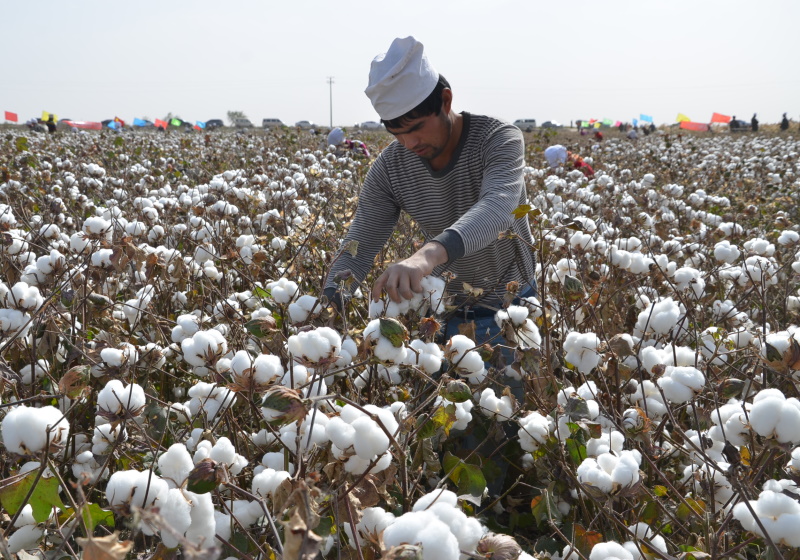
LONDON – The British High Court has ruled against human rights campaigners that said the UK authorities were allowing the import of cotton textiles made in the Xinjiang region of China that are associated with forced labour.

The case against the UK government was brought by the Global Legal Action Network (GLAN) and World Uyghur Congress’ (WUC) which said the HMRC, the Home Office and the National Crime Agency had failed to stop the importation of cotton goods “produced by enslaved Uyghurs in the Xinjiang region.”

“Sadly, the court ruled in favour of the authorities, who have the power to investigate these imports but refuse to exercise it,” read a statement from GLAN after the ruling was announced by High Court justice Ian Dove.

However, the judgement handed down by the High Court, also noted that: “The outcome of the case does not in any way undermine the striking consensus in the evidence that there are clear and widespread abuses in the cotton industry in the XUAR, involving human rights violations and the exploitation of forced labour.” 

LONDON – The British High Court has ruled against human rights campaigners that said the UK authorities were allowing the import of cotton textiles made in the Xinjiang region of China that are associated with forced labour.

The case against the UK government was brought by the Global Legal Action Network (GLAN) and World Uyghur Congress’ (WUC) which said the HMRC, the Home Office and the National Crime Agency had failed to stop the importation of cotton goods “produced by enslaved Uyghurs in the Xinjiang region.”

“Sadly, the court ruled in favour of the authorities, who have the power to investigate these imports but refuse to exercise it,” read a statement from GLAN after the ruling was announced by High Court justice Ian Dove.

However, the judgement handed down by the High Court, also noted that: “The outcome of the case does not in any way undermine the striking consensus in the evidence that there are clear and widespread abuses in the cotton industry in the XUAR, involving human rights violations and the exploitation of forced labour.” 

Newsletter

Read our top news stories delivered straight to your inbox.

Share

Recommended

Latest Magazine

Features
Why China’s new wastewater standard is only one part of a broader shift spanning environmental law
As Brussels switches on its product passport registry, fashion’s supply chain data gaps threaten a bumpy rollout
As green claims face closer regulatory scrutiny liability no longer sits solely with the brands
News
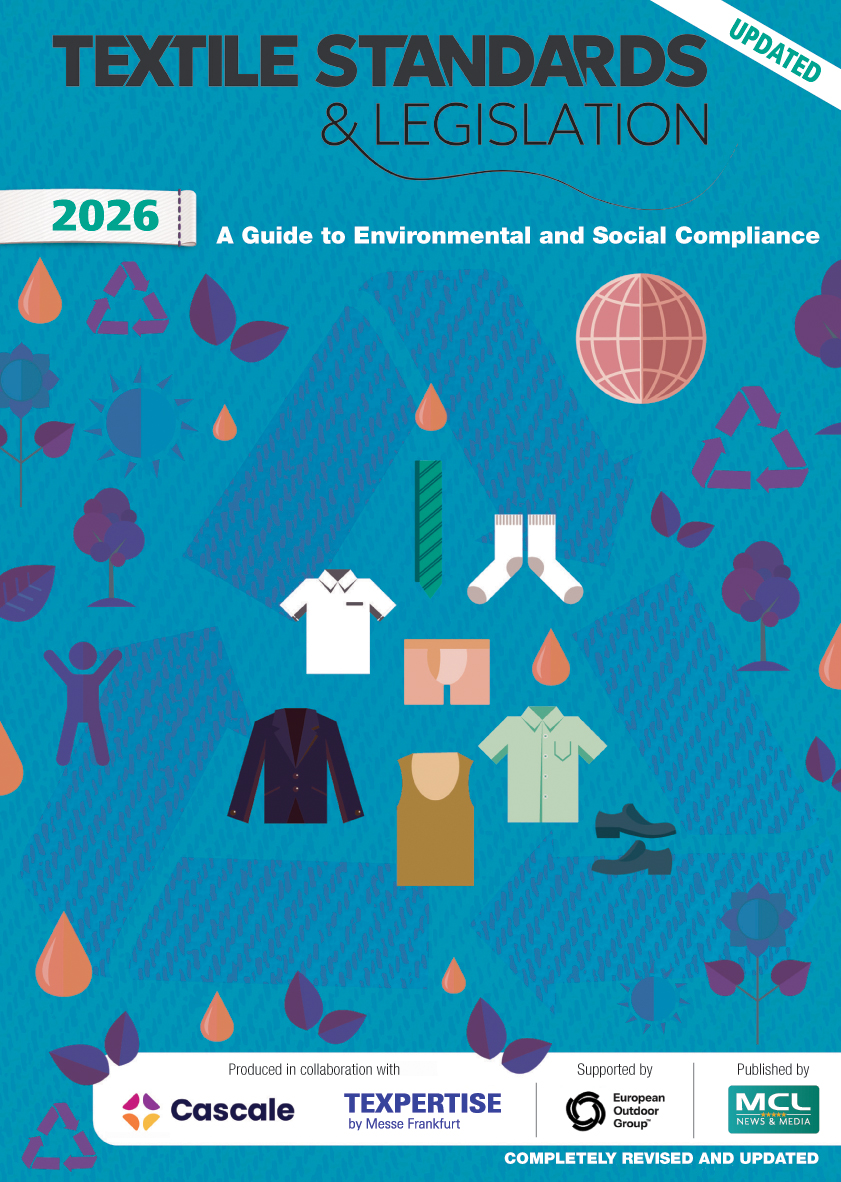
Preview of our Textile Standards & Legislation Guide
China’s strengthened rules make officials personally accountable for serious environmental damage
New process to strip reactive dyes from cotton could benefit textile-to-textile recycling
Opinion
European factory closures show costs, geography and demand decide which materials survive

Other publications from MCL News & Media

Scroll to Top
Logo

Our free newsletter showcases the very best of our journalism, delivered to you twice a week

Advertising
With Us

Help to support the purpose-led work of our team of journalists, international correspondents, and partners – and expose your product or service to our global readership.

Subscribe to our magazine today and receive exclusive online content

Subscribe