Everlane outlines its ‘sustainable’ goals

Share
Share

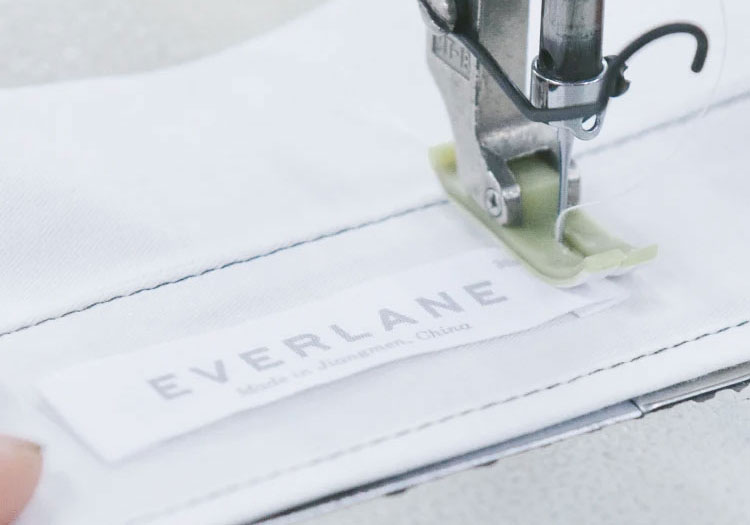
Using radical supply chain transparency to guide its ‘anti-fast fashion’ business model, Kim Smith, Everlane’s head of apparel gave John Mowbray an insight into how the US retailer works.

We first came across Everlane around eight years ago when our mothballed sister publication The Apparel Analyst ran a short story on the new direct-to-consumer clothing business – and since then we’ve followed its progress with a great deal of interest.

For many people in our industry the US retailer, which launched in 2010, has slipped under the radar even though its sales quietly climbed to a reported US$100 million in revenue in 2016, according to Privco, a firm that analyses private companies.

What interested The Apparel Analyst back then was how Everlane’s business model was based on supply chain transparency and it still remains ‘anti-fast fashion’ to this day, at a time when online fast fashion brands of a similar age, such as Missguided from the UK, are realising annual sales of £216 million (US$287 M).

Using radical supply chain transparency to guide its ‘anti-fast fashion’ business model, Kim Smith, Everlane’s head of apparel gave John Mowbray an insight into how the US retailer works.

We first came across Everlane around eight years ago when our mothballed sister publication The Apparel Analyst ran a short story on the new direct-to-consumer clothing business – and since then we’ve followed its progress with a great deal of interest.

For many people in our industry the US retailer, which launched in 2010, has slipped under the radar even though its sales quietly climbed to a reported US$100 million in revenue in 2016, according to Privco, a firm that analyses private companies.

What interested The Apparel Analyst back then was how Everlane’s business model was based on supply chain transparency and it still remains ‘anti-fast fashion’ to this day, at a time when online fast fashion brands of a similar age, such as Missguided from the UK, are realising annual sales of £216 million (US$287 M).

Newsletter

Read our top news stories delivered straight to your inbox.

Share

Recommended

Latest Magazine

Features
Why China’s new wastewater standard is only one part of a broader shift spanning environmental law
As Brussels switches on its product passport registry, fashion’s supply chain data gaps threaten a bumpy rollout
As green claims face closer regulatory scrutiny liability no longer sits solely with the brands
News
Preview of our Textile Standards & Legislation Guide
China’s strengthened rules make officials personally accountable for serious environmental damage
New process to strip reactive dyes from cotton could benefit textile-to-textile recycling
Opinion
European factory closures show costs, geography and demand decide which materials survive

Other publications from MCL News & Media

Scroll to Top
Logo

Our free newsletter showcases the very best of our journalism, delivered to you twice a week

Advertising
With Us

Help to support the purpose-led work of our team of journalists, international correspondents, and partners – and expose your product or service to our global readership.

Subscribe to our magazine today and receive exclusive online content

Subscribe