Can traceability solutions combat greenwashing?

Share
Share

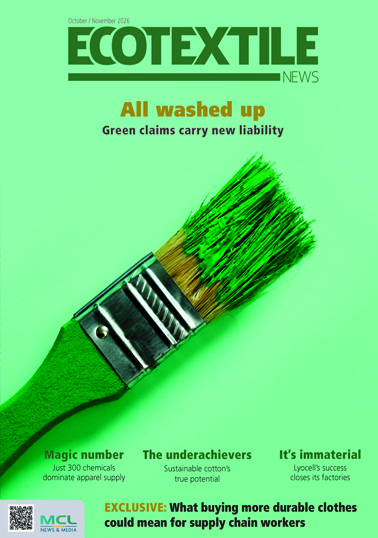
In our last issue, we discussed the widespread problem of ‘greenwashing’ in the textile and fashion industries and how this new, dangerous culture of exaggerating sustainability claims not only blindsides consumers, but threatens to sabotage the good work of others.

Studies conducted by the likes of the European Commission found industries like ours to be key suspects of spreading misinformation – specifically by purporting vague, unsubstantiated claims of their products being ‘eco’ and the like – without being held to account. At a key juncture in the industry’s sustainability journey then, offering robust evidence of supply chain transparency and product traceability has never been more imperative to encouraging change.

In our last issue, we discussed the widespread problem of ‘greenwashing’ in the textile and fashion industries and how this new, dangerous culture of exaggerating sustainability claims not only blindsides consumers, but threatens to sabotage the good work of others.

Studies conducted by the likes of the European Commission found industries like ours to be key suspects of spreading misinformation – specifically by purporting vague, unsubstantiated claims of their products being ‘eco’ and the like – without being held to account. At a key juncture in the industry’s sustainability journey then, offering robust evidence of supply chain transparency and product traceability has never been more imperative to encouraging change.

Newsletter

Read our top news stories delivered straight to your inbox.

Share

Recommended

Latest Magazine

Features
Why China’s new wastewater standard is only one part of a broader shift spanning environmental law
As Brussels switches on its product passport registry, fashion’s supply chain data gaps threaten a bumpy rollout
As green claims face closer regulatory scrutiny liability no longer sits solely with the brands
News
Preview of our Textile Standards & Legislation Guide
China’s strengthened rules make officials personally accountable for serious environmental damage
New process to strip reactive dyes from cotton could benefit textile-to-textile recycling
Opinion
European factory closures show costs, geography and demand decide which materials survive

Other publications from MCL News & Media

Scroll to Top
Logo

Our free newsletter showcases the very best of our journalism, delivered to you twice a week

Advertising
With Us

Help to support the purpose-led work of our team of journalists, international correspondents, and partners – and expose your product or service to our global readership.

Subscribe to our magazine today and receive exclusive online content

Subscribe