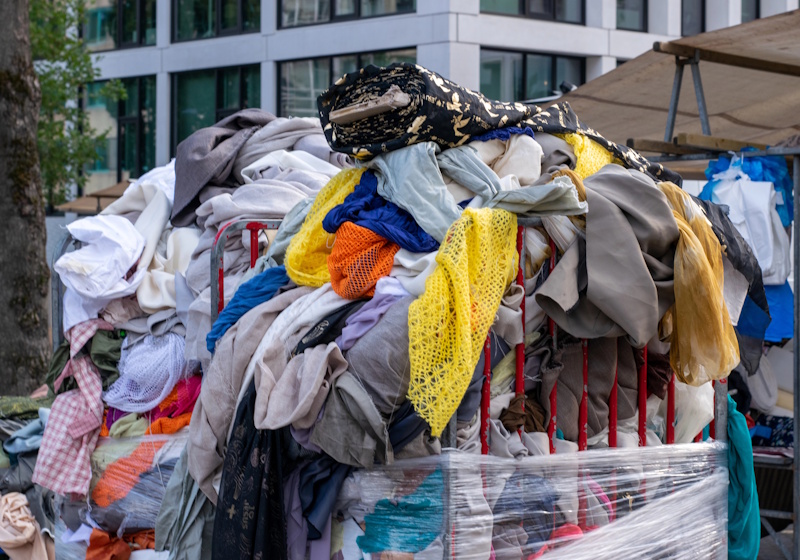
Extended producer responsibility (EPR) is presented as a decisive step toward environmental accountability in the textile sector. Producers are required to finance the collection, sorting, reuse, and recycling of the goods they place on the market. The logic appears progressive and unassailable.
Yet a deeper reading reveals a profound structural risk. By attaching a fee to every product sold, EPR begins to resemble a tariff in its economic effect, applied not to imports alone but to every unit entering commerce. The comparison is functional rather than absolute, but the similarity in cost transmission warrants closer scrutiny.