SPONSORED CONTENT – One year since launching its carbon-zero Tencel-branded lyocell fibres, Austrian fibre manufacturer Lenzing says it has been pleased with the industry’s response to the ‘sustainable’ material as brands look to enhance their environmental credentials.
As the first wood-based first producer with approved Science Based Targets, Lenzing’s own sustainability aspirations were at the heart of development phase of carbon-zero Tencel.
“Following the strict guidelines of the CarbonNeutral Protocol, the leading global framework for carbon neutrality, carbon-zero TENCEL™ branded fibres are certified carbon neutral products for the textile industry,” a Lenzing statement said.
“This means that the emissions associated with the fibres’ production, manufacturing and distribution have been calculated and offset. Under the guidance of the Tencel ‘true carbon zero’ campaign, the Tencel brand is contributing to Lenzing’s commitment to the Science Based Targets initiative and its continuous support of the United Nations Sustainable Development Goals to limit global warming.”
According to Lenzing’s Global Consumer Perception Survey on sustainable raw materials in fashion and home textiles, which it conducted in early 2020, respondents indicated that they actively educate themselves on sustainability through research around the production process of products before purchase. Denim brand Jack & Jones is a Lenzing partner
Most respondents also considered brands that are transparent with their ingredients and the origin of their raw materials as trustworthy.
With this insight, Lenzing has welcomed a number of partners to utilise carbon-zero Tencel fibre, including international denim brand Jack & Jones.
“The Jack & Jones team is delighted to partner with Tencel to bring to life more sustainable products that are also comfortable and of high quality, showcasing our unwavering commitment to enhancing sustainability in the fashion world,” said Mikkel Hochrein Albrektsen, creative buying manager of Jack & Jones.
Other customers over the past year have been German fashion label Armed Angels, Danish clothing brand Selected Femme, Korean firm Cozynet and Portuguese fabric producer Impetus.
Still, Florian Heubrandner, the vice president of Lenzing’s global textiles business, insists: “Although more supply chain partners, brands, and retailers are proactively searching for ways to reduce carbon emissions to align with the United Nation’s global climate goals, the textile industry still has a long journey ahead to reach its goal of carbon-zero status.”
It’s this ongoing pursuit that has led Lenzing to develop carbon-zero Tencel branded fibres with Refibra technology.
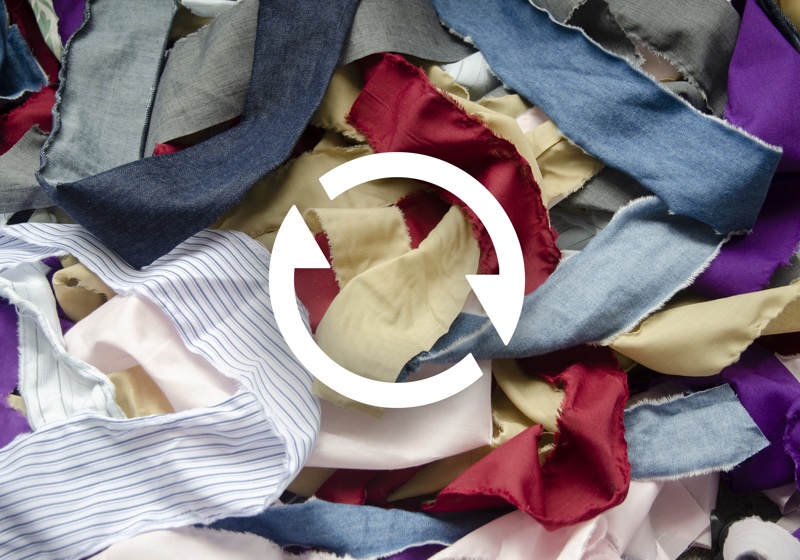
Refibra branded fibre is made from pre-consumer scraps and post-consumer garments, giving the material impressive sustainability credentials.
“By offering carbon-zero Tencel fibres with Refibra technology, Lenzing provides the industry with more sustainable material options right from the beginning of the product life cycle, bringing Lenzing one step closer to its goal of reaching zero carbon emissions by 2050,” it says.
Moving forward, the company will continue to work with industry partners to reduce the product’s carbon footprint and offset unavoidable emissions to ultimately drive decarbonization in the textile industry.