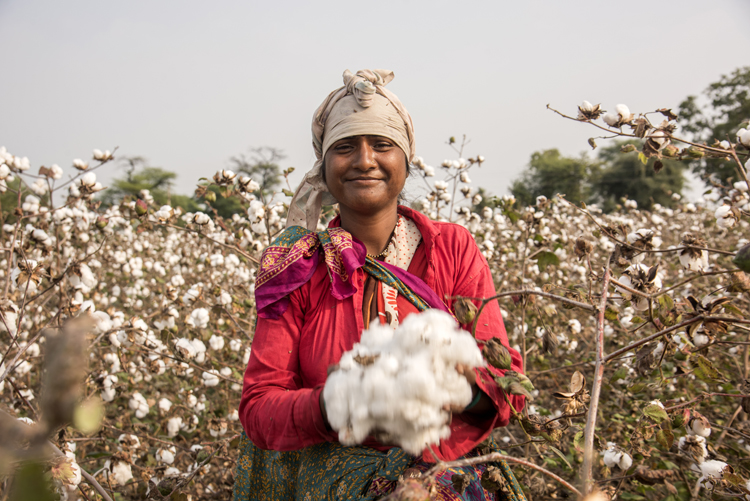
Fraud in organic cotton supply chains is an operational reality that puts brand credibility and certification value at risk. OEKO-TEX® has partnered with TextileGenesis, a Lectra company, to provide a secure blockchain-based system to digitise the chain of custody and verify digital transactions across organic cotton supply chains, replacing fragmented manual workflows. The results are verifiable claims, reduced fraud exposure and certification infrastructure that scale with your business.
Here is what the approach looks like in practice and why it matters beyond organic cotton.
The OEKO-TEX® ORGANIC COTTON certification recorded a strong global expansion, with certified partners in over 20 countries. This steady growth reflects an increasing demand for verified, organic cotton sourcing and increasing regulatory pressure on brands to substantiate their sustainability claims. But rapid growth also amplifies an industry-wide vulnerability: the risk of fraud in paper-based certification systems.
To address this, OEKO-TEX® works with TextileGenesis as its digital traceability partner. The collaboration centres on replacing physical Transaction Certificates with a fully digital solution by connecting material flows and certification data on a single platform across ginners, spinners, manufacturers
and brands.
A token-based approach to chain of custody
At the heart of the system is TextileGenesis’ Fibercoin™ technology, which assigns a unique digital token to each physical shipment of certified organic cotton. This creates a tamper-resistant, end-to-end chain of custody that is both auditable and scalable.
For OEKO-TEX® CEO Dr Alfred J. Beerli, the digitalisation presents a strategic step: “Secure, transparent and data-driven processes strengthen the integrity of OEKO-TEX® while making certification more efficient and scalable.”
Closing a gap: GMO testing
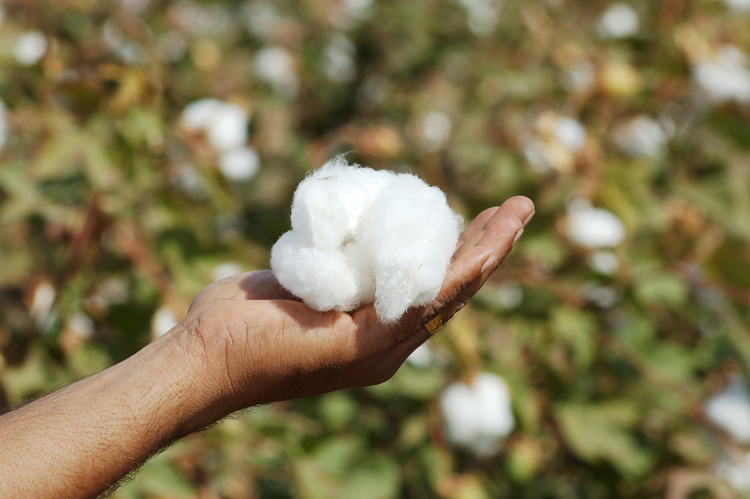
In global organic cotton supply chains, the most fraud-exposed point is between ginning and spinning. At this stage, cotton exists as loose raw fibre, which makes it easy to mix conventional and organic material without detection.
For this reason, for OEKO-TEX® ORGANIC COTTON, GMO testing is conducted again at ginning and spinning level as an additional verification that the fibre entering the next production stage is organic.
Why this also matters in the context of EmpCo
The EU Empowering Consumers Directive (EmpCo) states that it is essential that consumers can make informed purchasing decisions. This implies that traders have a responsibility to provide clear, relevant and reliable information. The new rules become fully applicable from 27 September 2026, meaning brands selling textiles in European markets have a firm, non-negotiable deadline by which their environmental claims must be backed by documented evidence. OEKO-TEX® is a certification system that allows for the use of a corresponding sustainability label. One of the OEKO-TEX® labels is OEKO-TEX® ORGANIC COTTON, which offers an independently verified claim towards end-consumer that aligns with the EmpCo Directive.
https://www.oeko-tex.com/en/our-standards/oeko-tex-organic-cotton/