SPONSORED CONTENT – In our fast-paced world, typified by its burgeoning consumerism and its use and discard mentality, fashion is a fickle mistress and responsible textile production is fraught with challenges. With landfill sites choking up with yesterday’s fast fashion fads, and dubious manufacturing, environmental and labour practices rife in the industry, it’s good to know that there are organisations and companies that are not only taking heed, but leading the way in better, more responsible and ethical textile production practices.
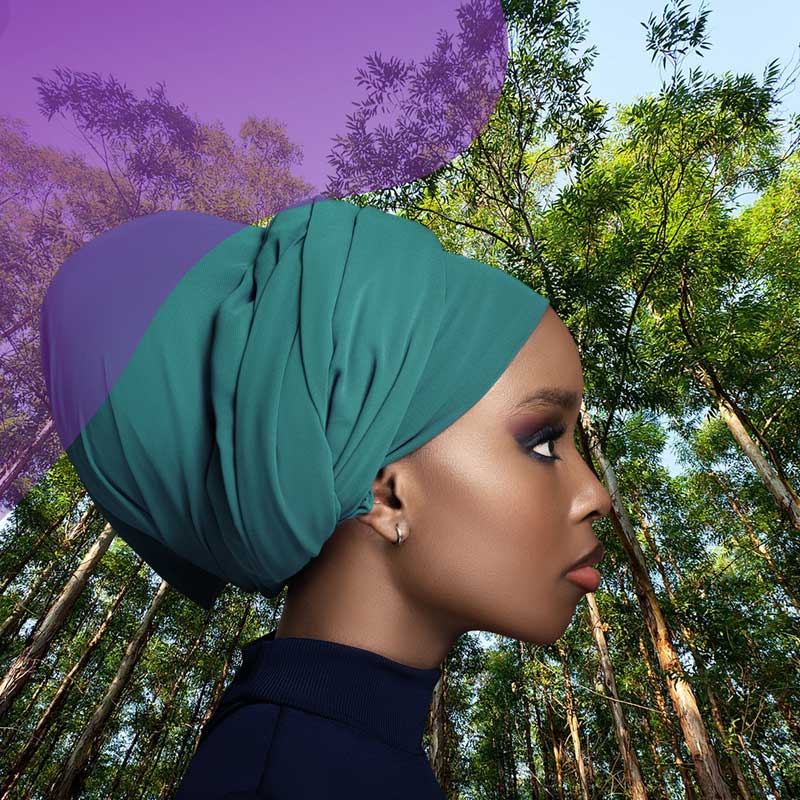
Welcome to the fashion stage Sappi’s Verve – dissolving pulp (DP) made entirely from an abundant natural renewable and biodegradable resource. The wonder of trees and the countless uses for woodfibre and its contribution to the circular economy are well known, and Sappi can vouch for its product thanks to fastidious management of its supply chain from the forest to the fashion rail.
Starting at source, the wood that is used for Verve all stems from sustainably managed plantations, certified under internationally recognised forestry certification schemes – notably, FSC™, PEFC and SFI. These rigorous certification schemes ensure that plantations adhere to stringent regulations in a way which balances social, environmental, and economic considerations to the benefit of all.
In South Africa, where most of Sappi’s DP is produced (1,140,000 tons per annum vs 300,000 tpa in USA) the wood is sourced from its own plantations, and very importantly, also provides entry to the forestry value chain for more than 4,000 small growers participating in the 40 year old Sappi Khulisa Enterprise Development programme.
Sappi produces more than 50% of the DP used in the production of lyocell staple fibre in the world, and that’s why it is so important to know that besides the more eco-friendly processes used in the manufacture of its DP, with the co-generation of steam and electricity making its mills energy efficient, Sappi’s plantations in South Africa are also doing an excellent job in contributing to the responsible management of the country’s biodiversity.
With almost a third of the 399,000 hectares owned left unplanted and protected for conservation, Sappi’s land also houses 7 amazing nature reserves and 156 Important Conservation Areas (ICAs). Sappi actively participates in business-led initiatives that call for the mandatory assessment and disclosure on nature such as the Business for Nature #MakeitMandatory campaign and Textile Exchange’s Climate+ strategy, with its goal to reduce GHG emissions in the textile value chain by 45% by 2030.
Water is another crucial consideration for Sappi, and its powerful Water Stewardship project with WWF-SA works towards improving water security and biodiversity in the Umkhomazi catchment area, whilst also helping to provide sustainable income for the communities through the creation of jobs and skills transfer.
Sappi’s has set a science based target which showcases its commitment to mitigating the effects of climate change. And this commitment extends to transparency of the entire value chain, with Sappi also applying the Higg FEM and FSLM tools and ‘Green Track’ blockchain technology to ensure the traceability of the products derived from Verve.
So, besides the natural woodfibre characters of Verve which lends it the whisper-soft silk-like qualities of breathability, beautiful flow and drape, its impressive credentials on all fronts, make it the undoubted fibre of choice for the future.
www.sappi.com/the-spirit-of-verve