 The discussion surrounding sustainable and transparent supply chains has become a focal point of global discourse. While companies are increasingly confronted with the impacts of climate change and corresponding restrictions, the gap in sustainability efforts between America, Asia and Europe appears to be widening under dynamically changing political conditions. As concerns about bureaucratic overload, legal uncertainty and international competitiveness intensify, many textile and leather businesses are torn between what would be right for their short-term business and what feels right for sustainable economic growth.
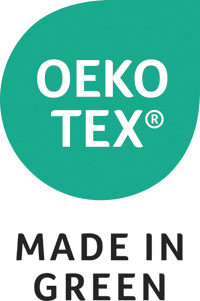
The international OEKO-TEX® association supports textile and leather companies by facing this discrepancy with their modular certification system. With this made to measure approach, businesses can choose what part of their supply chains they want to tackle first or start taking the route to full transparency directly with OEKO-TEX® MADE IN GREEN. Products carrying this label have been tested for harmful substances and were produced in factories that follow responsible environmental and social practices.
OEKO-TEX® MADE IN GREEN was introduced 10 years ago when discussions about supply chain transparency first gained momentum after the collapse of Rana Plaza. A lot has changed for the better in the past decade, but in today’s uncertain political and climate conditions, businesses are looking for ways and partners to maintain their hard-achieved improvements.
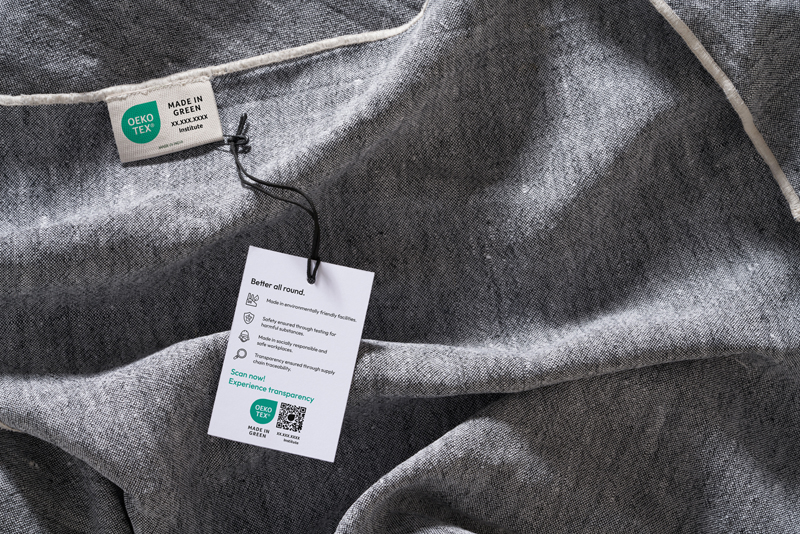
“At OEKO-TEX® we remain confident that investing in transparency, collaboration and knowledge transfer equips the industry for an economically and ecologically sustainable future”, says Annika Sauerhöfer, OEKO-TEX® Product Manager. “In fact, the 52% increase in MADE IN GREEN labels issued in the past fiscal year reflects the industry’s current interest in supply chain traceability and transparency.” OEKO-TEX® certifications are built on a foundation of scientific research, rigorous testing, and continuous monitoring of legislative changes.
The association works closely with independent research institutes and industry stakeholders to uphold the highest standards of safety and environmental responsibility.
Textile and leather companies who partner with OEKO-TEX® frequently confirm their advantages: “For manufacturers and retailers, the introduction of traceable supply chains enables them to mitigate risks and thus safeguard their brand reputation”, says Sauerhöfer. “Moreover, it prepares them for future regulatory changes, and therefore secures market access.” Digital tools such as the OEKO-TEX® Label Check provide consumers and regulators with verifiable information on sourcing, manufacturing conditions, and ecological footprint. This fosters trust and promotes fair labor practices while reducing greenwashing. “
Eventually, investing in sustainable practices is not just an ethical decision, it is a strategic one. Businesses that proactively adapt will secure long-term stability and profitability. By integrating transparent supply chains, companies can future-proof their operations, minimise financial risks, and strengthen their market position.
The key is to not see these investments as costs, but as an opportunity for innovation, resilience, and sustainable economic success.