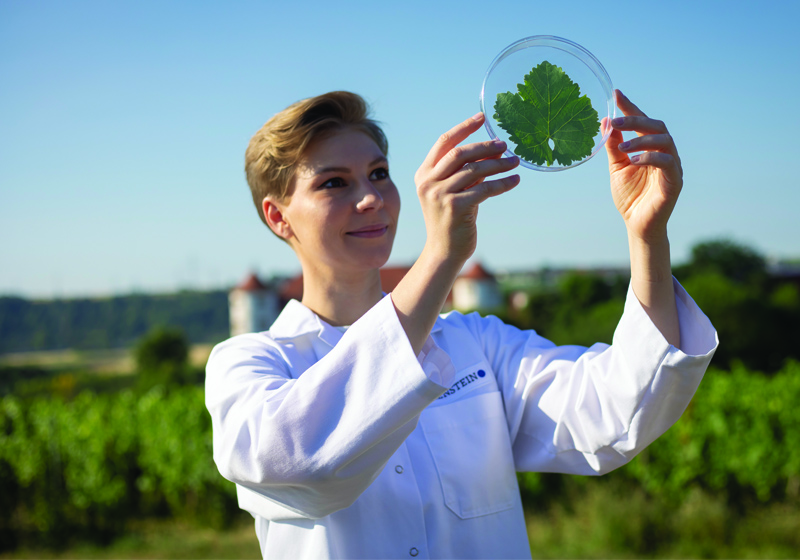
SPONSORED CONTENT – Sustainability must be considered in all aspects of business, with management, processes and communication aligned accordingly. The more transparently a product is made, the easier it is to make the supply chain more sustainable, while reducing risks to people and planet. Hohenstein has specialised in testing and certifying textiles for more than 75 years and helps companies build effective sustainability roadmaps. They test products for harmful substances and verify production with high social and environmental standards. And they prove these efforts with trusted certifications.
Durable sustainability
There are various approaches and parameters to improve sustainability. One important factor is product quality: durable products stay out of landfills and reduce future resource use. Neutral quality certificates help communicate good quality to the consumer and provide transparent standards within the supply chain.

Sustainability tests at a glance
In addition to OEKO-TEX® and UV STANDARD 801 certifications, Hohenstein offers its own quality labels. These labels consider various physical quality characteristics and properties such as biodegradability, comfort or suitability for leasing. Hohenstein analyses wastewater from textile production and from laundering for both chemical hazards and microfibres. To reduce microplastics, the laboratory has developed a quantitative test method that can precisely identify physical and biodegradability characteristics of the shed fibers. Equally important is the use of chemical in textile production. Since what goes in must come out, considering chemistry at the beginning of the production process is more efficient than checking the product at the end.
OEKO-TEX® ORGANIC COTTON – new in the range
As a founding member of OEKO-TEX®, Hohenstein has been advancing harmful substance safety for more than 30 years. The newest certification, OEKO-TEX® ORGANIC COTTON, verifies – from cultivation to the end product – that no genetically modified organisms (GMOs) were used and that all limits for harmful substances and pesticides are met. Details of the new certification will be presented by Hohenstein expert, John Murphy, in the upcoming Ecotextile News Podcast.