Research confirms frustrating reality for ‘slow fashion’

Share
Share

A recent academic literature review has provided valuable insights into consumer behaviour with regard to so-called slow fashion. 

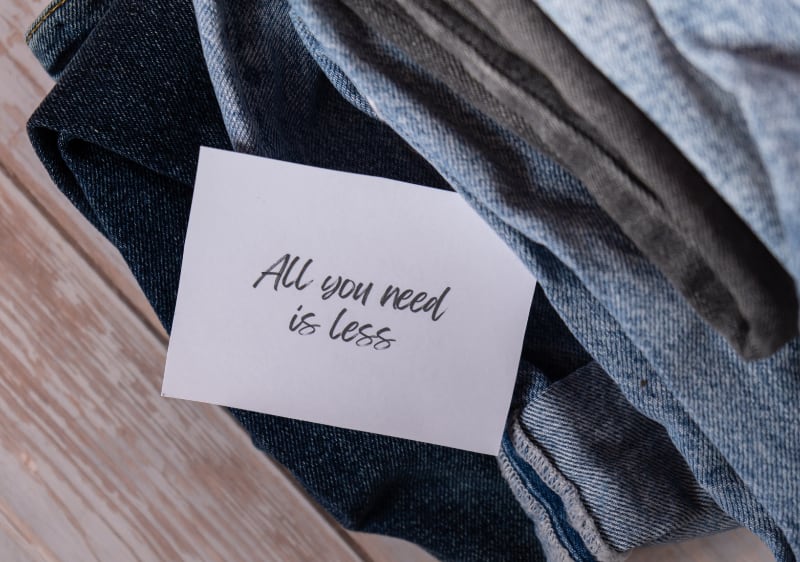
Slow fashion clothing
Fashion consumers say one thing and do another.

The newly published research paper, “Exploring slow fashion consumer buying behaviour in the context of sustainability,” from Pappu Sindhuja (GITAM School of Business, Gandhi Institute of Technology and Management) and a multi-institutional research team, is a comprehensive overview of key trends, underlying theories, and significant gaps in our understanding.

The research analysed 114 articles on the topic from 2012 to 2024 and confirms a frustrating reality for slow fashion: a persistent attitude-behaviour gap. Despite widespread environmental concerns, consumers express strong environmental concerns but often don’t translate these into actual sustainable purchases. This gap is attributed to factors like the higher cost of slower fashion, limited product visibility, and the sheer convenience of fast fashion.

Share

Recommended

Latest Magazine

Features
Andrew Martin explains why China’s new wastewater standard is only one part of a broader shift spanning environmental law, chemicals, carbon, monitoring and standards
As Brussels switches on its product passport registry, fashion’s supply chain data gaps threaten a bumpy rollout
As green claims face closer regulatory scrutiny, textile innovators can no longer assume liability sits solely with the brands, insists Phil Patterson
News
The newly updated 10th edition of our guide provides the global textile and apparel industry with expanded regulatory coverage and a brand-new website
China’s strengthened rules make officials personally accountable for serious environmental damage throughout their careers – and beyond
New process to strip reactive dyes from cotton could potentially produce a more versatile feedstock for textile-to-textile recycling
Opinion
Despite Lyocell's success, European factory closures and Asian expansion show that costs, geography and demand ultimately decide which materials survive

Other publications from MCL News & Media

Scroll to Top
Logo

Our free newsletter showcases the very best of our journalism, delivered to you twice a week

Advertising
With Us

Help to support the purpose-led work of our team of journalists, international correspondents, and partners – and expose your product or service to our global readership.

Subscribe to our magazine today and receive exclusive online content

Subscribe