Decathlon reduces emissions for first time

Share
Share

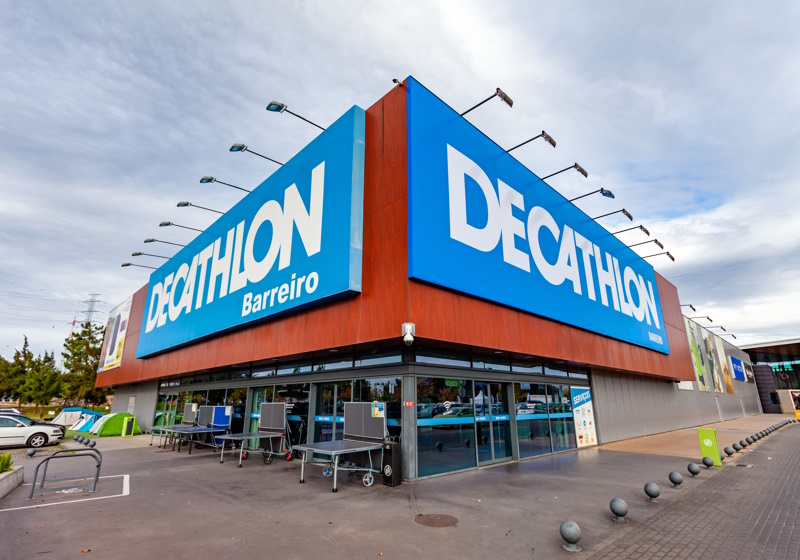
LILLE – Sporting goods retailer Decathlon has revealed that it managed to reduce its absolute carbon emissions for the first time last year, while increasing sales in both quantity and turnover.

The 1.7% reduction in emissions in 2022, compared with the previous year, is revealed in the company’s new ‘Non Financial Reporting Declaration’ which also sets out a new target – to reduce overall emissions by 20% by 2026, against a 2021 baseline.

The report says that last year’s decrease was achieved partly due to the company’s product ecodesign programme, helping more suppliers transtion to renewable energy and reducing transport-related emissions, but the slowing down of production due to high level of stocks at the end of the year also played a part.

LILLE – Sporting goods retailer Decathlon has revealed that it managed to reduce its absolute carbon emissions for the first time last year, while increasing sales in both quantity and turnover.

The 1.7% reduction in emissions in 2022, compared with the previous year, is revealed in the company’s new ‘Non Financial Reporting Declaration’ which also sets out a new target – to reduce overall emissions by 20% by 2026, against a 2021 baseline.

The report says that last year’s decrease was achieved partly due to the company’s product ecodesign programme, helping more suppliers transtion to renewable energy and reducing transport-related emissions, but the slowing down of production due to high level of stocks at the end of the year also played a part.

Newsletter

Read our top news stories delivered straight to your inbox.

Share

Recommended

Latest Magazine

Features
Why China’s new wastewater standard is only one part of a broader shift spanning environmental law
As Brussels switches on its product passport registry, fashion’s supply chain data gaps threaten a bumpy rollout
As green claims face closer regulatory scrutiny liability no longer sits solely with the brands
News
Preview of our Textile Standards & Legislation Guide
China’s strengthened rules make officials personally accountable for serious environmental damage
New process to strip reactive dyes from cotton could benefit textile-to-textile recycling
Opinion
European factory closures show costs, geography and demand decide which materials survive

Other publications from MCL News & Media

Scroll to Top
Logo

Our free newsletter showcases the very best of our journalism, delivered to you twice a week

Advertising
With Us

Help to support the purpose-led work of our team of journalists, international correspondents, and partners – and expose your product or service to our global readership.

Subscribe to our magazine today and receive exclusive online content

Subscribe