Report: brands urged to address systemic union busting

Share
Share

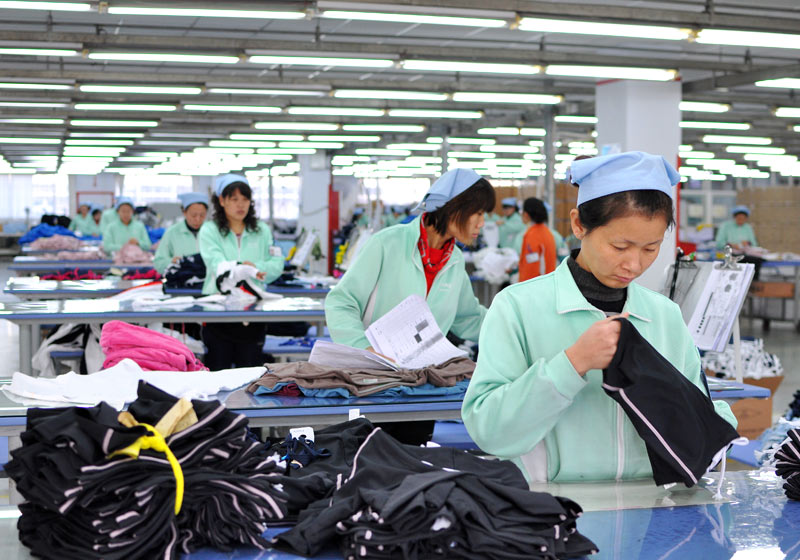
LONDON – A new report published today by the Business & Human Rights Resource Centre (BHRRC) suggests that trade union members in apparel manufacturing supply chains have been unfairly targeted for dismissal over recent months, with unscrupulous bosses using the COVID-19 pandemic as an opportunity to union bust.

Across just nine sites in key manufacturing nations, 4,870 have been contentiously dismissed with a large majority still out of work as factory bosses evaded punishment. The BHRRC, with support from likeminded initiatives, hopes customer brands, including H&M, Bestseller and Primark, can step up to the plate in addressing such instances and go beyond basic policy commitments.  

The organisation says: “Brands need to improve direct engagement with workers, provide access to effective remedy, and also overhaul their own purchasing practices which increase factories’ hostility to unions – for example, by paying prices that take into consideration the financial costs of labour and social compliance. Even where policies protecting freedom of association and collective bargaining do exist, these are also under threat in the current context.”

LONDON – A new report published today by the Business & Human Rights Resource Centre (BHRRC) suggests that trade union members in apparel manufacturing supply chains have been unfairly targeted for dismissal over recent months, with unscrupulous bosses using the COVID-19 pandemic as an opportunity to union bust.

Across just nine sites in key manufacturing nations, 4,870 have been contentiously dismissed with a large majority still out of work as factory bosses evaded punishment. The BHRRC, with support from likeminded initiatives, hopes customer brands, including H&M, Bestseller and Primark, can step up to the plate in addressing such instances and go beyond basic policy commitments.  

The organisation says: “Brands need to improve direct engagement with workers, provide access to effective remedy, and also overhaul their own purchasing practices which increase factories’ hostility to unions – for example, by paying prices that take into consideration the financial costs of labour and social compliance. Even where policies protecting freedom of association and collective bargaining do exist, these are also under threat in the current context.”

Newsletter

Read our top news stories delivered straight to your inbox.

Share

Recommended

Latest Magazine

Features
Why China’s new wastewater standard is only one part of a broader shift spanning environmental law
As Brussels switches on its product passport registry, fashion’s supply chain data gaps threaten a bumpy rollout
As green claims face closer regulatory scrutiny liability no longer sits solely with the brands
News
Preview of our Textile Standards & Legislation Guide
China’s strengthened rules make officials personally accountable for serious environmental damage
New process to strip reactive dyes from cotton could benefit textile-to-textile recycling
Opinion
European factory closures show costs, geography and demand decide which materials survive

Other publications from MCL News & Media

Scroll to Top
Logo

Our free newsletter showcases the very best of our journalism, delivered to you twice a week

Advertising
With Us

Help to support the purpose-led work of our team of journalists, international correspondents, and partners – and expose your product or service to our global readership.

Subscribe to our magazine today and receive exclusive online content

Subscribe