ZDHC and chemical suppliers patch up differences

Share
Share

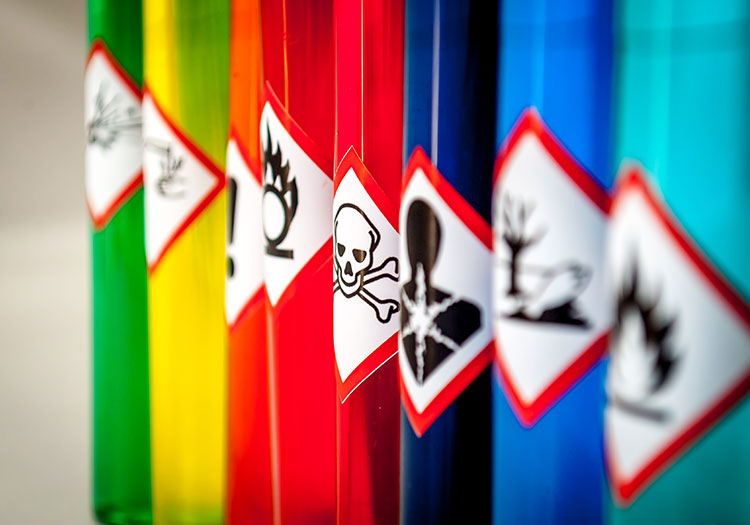
AMSTERDAM – After a year of intense negotiations and behind-the-scenes meetings, a group of leading chemicals companies including Archroma, DyStar and Huntsman Textile Effects have all agreed to join the ZDHC Foundation as contributors, which, for now, brings an end to 12 months of uncertainty on the best way forward for the harmonisation of chemical management in textile supply chains.

Today’s announcement follows on from an unprecedented open letter sent to the ZDHC back in May 2018 by nine leading textile chemical suppliers (GCIRT) who voiced concerns about the ZDHC’s work, calling for a “series of changes in return for their continued involvement.”

It’s now hoped that agreement between the ZDHC and the Global Chemical Industry Round Table (GCIRT) will signal a more collaborative and more rapid progress towards greater transparency and a single, robust harmonised approach to reducing the impact of textile chemicals on the environment.

As part of the new Memorandum of Understanding between the two organisations, the self-declared Conformance ‘Level 0’ will be phased out of the ZDHC MRSL process by 2020, a ‘chemical supplier leader programme’ will also be initiated next year.

Since its formation, the ZDHC has moved away from being a brand-led initiative to an independent, stakeholder NGO, which has been one of the reasons why Greenpeace has put its 8 year Detox campaign on pause mode. 

AMSTERDAM – After a year of intense negotiations and behind-the-scenes meetings, a group of leading chemicals companies including Archroma, DyStar and Huntsman Textile Effects have all agreed to join the ZDHC Foundation as contributors, which, for now, brings an end to 12 months of uncertainty on the best way forward for the harmonisation of chemical management in textile supply chains.

Today’s announcement follows on from an unprecedented open letter sent to the ZDHC back in May 2018 by nine leading textile chemical suppliers (GCIRT) who voiced concerns about the ZDHC’s work, calling for a “series of changes in return for their continued involvement.”

It’s now hoped that agreement between the ZDHC and the Global Chemical Industry Round Table (GCIRT) will signal a more collaborative and more rapid progress towards greater transparency and a single, robust harmonised approach to reducing the impact of textile chemicals on the environment.

As part of the new Memorandum of Understanding between the two organisations, the self-declared Conformance ‘Level 0’ will be phased out of the ZDHC MRSL process by 2020, a ‘chemical supplier leader programme’ will also be initiated next year.

Since its formation, the ZDHC has moved away from being a brand-led initiative to an independent, stakeholder NGO, which has been one of the reasons why Greenpeace has put its 8 year Detox campaign on pause mode. 

Newsletter

Read our top news stories delivered straight to your inbox.

Share

Recommended

Latest Magazine

Features
Why China’s new wastewater standard is only one part of a broader shift spanning environmental law
As Brussels switches on its product passport registry, fashion’s supply chain data gaps threaten a bumpy rollout
As green claims face closer regulatory scrutiny liability no longer sits solely with the brands
News
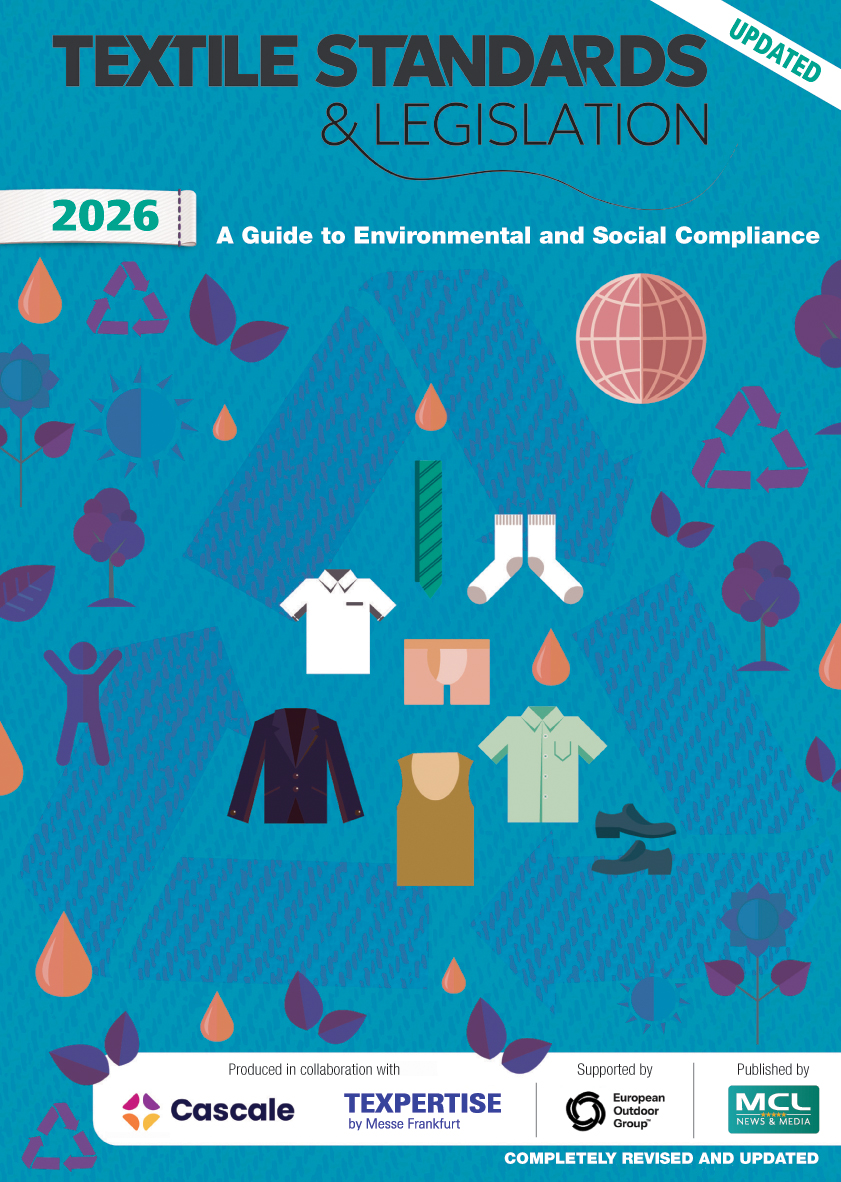
Preview of our Textile Standards & Legislation Guide
China’s strengthened rules make officials personally accountable for serious environmental damage
New process to strip reactive dyes from cotton could benefit textile-to-textile recycling
Opinion
European factory closures show costs, geography and demand decide which materials survive

Other publications from MCL News & Media

Scroll to Top
Logo

Our free newsletter showcases the very best of our journalism, delivered to you twice a week

Advertising
With Us

Help to support the purpose-led work of our team of journalists, international correspondents, and partners – and expose your product or service to our global readership.

Subscribe to our magazine today and receive exclusive online content

Subscribe