Esprit cuts Myanmar ties amidst military violations

Share
Share

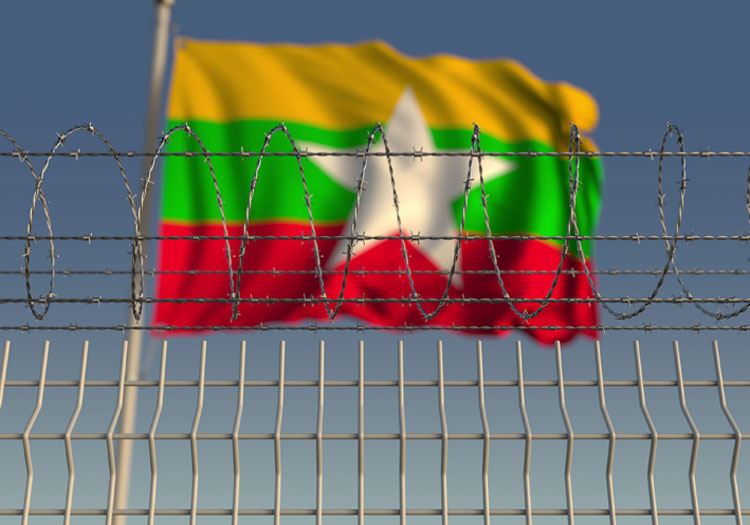
YANGON – Apparel brand Esprit has gone on record to say that it will no longer source from a garment manufacturing facility believed to be linked to Myanmar’s military. This, after a recent report from the U.N. Independent International Fact-Finding Mission on Myanmar uncovered that revenues from the military’s affiliated businesses have been used to “enhance its ability to carry out gross violations of human rights with impunity.”

The Fact-Finding Mission (FFM) has highlighted that over recent years, earnings from the Tatmadaw – firms run by or affiliated with Myanmar’s military – have fuelled “brutal operations against ethnic groups”, said to constitute serious crimes under international law.

Since 2016, the country’s military has forced the deportation of more than 700,000 Rohingya Muslims to Bangladesh; whilst 14 foreign companies have been outed as having supplied the military with fighter jets, armoured combat vehicles, warships and missile launchers during this period.

Having called on the UN Security Council and Member States to impose sanctions against companies run by the country’s military; fashion brands, including Esprit, H&M and Bestseller, have now made vocal their intentions to reevaluate where they’re sourcing from, as to stop any association.

YANGON – Apparel brand Esprit has gone on record to say that it will no longer source from a garment manufacturing facility believed to be linked to Myanmar’s military. This, after a recent report from the U.N. Independent International Fact-Finding Mission on Myanmar uncovered that revenues from the military’s affiliated businesses have been used to “enhance its ability to carry out gross violations of human rights with impunity.”

The Fact-Finding Mission (FFM) has highlighted that over recent years, earnings from the Tatmadaw – firms run by or affiliated with Myanmar’s military – have fuelled “brutal operations against ethnic groups”, said to constitute serious crimes under international law.

Since 2016, the country’s military has forced the deportation of more than 700,000 Rohingya Muslims to Bangladesh; whilst 14 foreign companies have been outed as having supplied the military with fighter jets, armoured combat vehicles, warships and missile launchers during this period.

Having called on the UN Security Council and Member States to impose sanctions against companies run by the country’s military; fashion brands, including Esprit, H&M and Bestseller, have now made vocal their intentions to reevaluate where they’re sourcing from, as to stop any association.

Newsletter

Read our top news stories delivered straight to your inbox.

Share

Recommended

Latest Magazine

Features
Why China’s new wastewater standard is only one part of a broader shift spanning environmental law
As Brussels switches on its product passport registry, fashion’s supply chain data gaps threaten a bumpy rollout
As green claims face closer regulatory scrutiny liability no longer sits solely with the brands
News
Preview of our Textile Standards & Legislation Guide
China’s strengthened rules make officials personally accountable for serious environmental damage
New process to strip reactive dyes from cotton could benefit textile-to-textile recycling
Opinion
European factory closures show costs, geography and demand decide which materials survive

Other publications from MCL News & Media

Scroll to Top
Logo

Our free newsletter showcases the very best of our journalism, delivered to you twice a week

Advertising
With Us

Help to support the purpose-led work of our team of journalists, international correspondents, and partners – and expose your product or service to our global readership.

Subscribe to our magazine today and receive exclusive online content

Subscribe