Founded in 2014, &Wider is looking to pioneer social sustainability with a new tool designed to connect industry stakeholders throughout the supply chain. It aims to achieve this by providing workers with a direct line to its cloud-based platform, shining a spotlight on an area within the textile supply chain that’s often left in the dark, to enable supplier factories to assure buyers and in turn provide crucial insight for those making an investment.
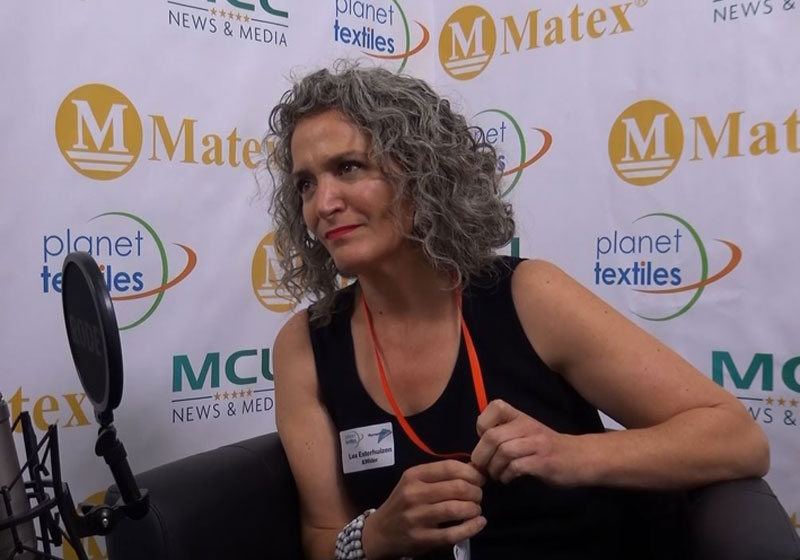
“If what we do is integrated into social auditing and conducted as ‘Operation Normal’, then what that means is that the buyer always knows what’s going on in the supply chain and can identify and support suppliers to improve things before they escalate and become a scandal,” Esterhuizen said in the Planet Textiles Pod, in Barcelona.
With this information, comes the power to influence. “Gathering data on working conditions is a sensitive matter, the workers are scared, but they’re not the only ones,” Esterhuizen continues. “They’re scared about providing candid feedback on working conditions in terms of what ramifications it will have for them. The suppliers are scared because they’re allowing a third party to engage with their workers. The buyer is scared because they don’t know what they’ll find when they start hearing directly from workers and they’re not certain about how much they’ll be responsible for doing.”
Still though, industry is increasingly keen to commit to such a cause, she insists. “Fast fashion has been toxic for sustainability in fashion in many ways, but fast fashion has also taught brands to be fast, agile and innovative, keeping up with consumer demand.
“What we see not just amongst our clients but the prospective clients we’re in conversations with in clothing is… you don’t have to convince them about the problem because they know it, they want to fix it, and they’re really hungry for innovation,” she concludes.
Take 15 minutes out of your day to tune in and listen to the full interview with Lea Esterhuizen on the Sustainable Fashion Academy’s website.