Screening pinpoints textile chemical pollutants

Share
Share

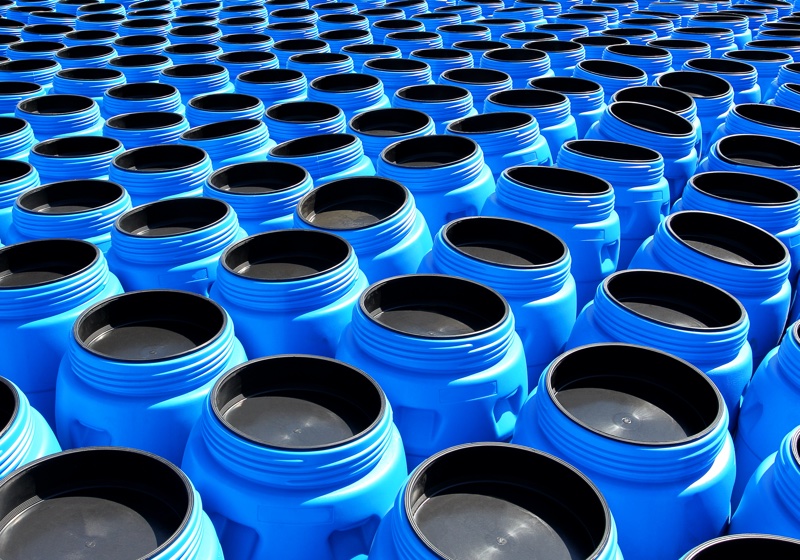
MUMBAI – The first results of a new screening tool for impurities found in bulk commodity chemicals used during textile wet processing has found that heavy metals, phthalates and halogenated solvents are the primary contaminants of these widely used substances.

The screening tool was developed by US software provider, Scivera, and Mumbai-based analytical laboratory testing lab, NimkarTek that in collaboration with Levi Strauss carried out pilot trials on over 330 different samples over the past year from 55 different textile and apparel factories.

Although the safety of specialty textile dyes, pigments and auxiliaries has been under the microscope for years, bulk commodity chemicals that are widely used in the textile wet processing sector have been overlooked as a potential source of wastewater pollution.

These chemicals are traded on the open market by dealers based on price, and often repackaged under different trade names. With price being directly related to the purity of the product these chemicals are often contaminated by-products of other industries. 

MUMBAI – The first results of a new screening tool for impurities found in bulk commodity chemicals used during textile wet processing has found that heavy metals, phthalates and halogenated solvents are the primary contaminants of these widely used substances.

The screening tool was developed by US software provider, Scivera, and Mumbai-based analytical laboratory testing lab, NimkarTek that in collaboration with Levi Strauss carried out pilot trials on over 330 different samples over the past year from 55 different textile and apparel factories.

Although the safety of specialty textile dyes, pigments and auxiliaries has been under the microscope for years, bulk commodity chemicals that are widely used in the textile wet processing sector have been overlooked as a potential source of wastewater pollution.

These chemicals are traded on the open market by dealers based on price, and often repackaged under different trade names. With price being directly related to the purity of the product these chemicals are often contaminated by-products of other industries. 

Share

Recommended

Latest Magazine

Features
Why the EU’s regulatory push for longer-lasting clothes could enrich the wrong industry.
Textile dye recovery is technically real, but experts warn that it risks becoming a costly sideshow.
When profits wobble, fashion brands default on climate, pushing self-issued net-zero targets over the horizon.
News
A new evidence-based review challenges assumptions over organic cotton’s growth.
EU anti-fraud investigators help block the illegal export and dumping of thousands of tonnes of textiles.
SBTi’s new net-zero standard tightens rules on fashion’s climate claims
Opinion
Exclusive: Uzbek cotton cluster boss hails big reforms as human rights campaigners claim exploitation

Other publications from MCL News & Media

Scroll to Top
Logo

Our free newsletter showcases the very best of our journalism, delivered to you twice a week

Advertising
With Us

Help to support the purpose-led work of our team of journalists, international correspondents, and partners – and expose your product or service to our global readership.

Subscribe to our magazine today and receive exclusive online content

Subscribe