TRA urges consumers to shop secondhand

Share
Share

LONDON – The UK’s Textile Recycling Association (TRA) has urged consumers around the world to buy secondhand fashion in order to promote circularity and mitigate overproduction. 

“The used clothing industry is by far the most sustainable part of the global clothing supply chain.  With positive impacts on carbon reduction and other environmental benefits,” the association’s chief executive, Alan Wheeler said.

“With the UN Climate Change Conference just weeks away and climate change rightfully at the forefront of the agenda, we urge the public to buy less new clothing and better quality, buy more second hand and to ensure all unwanted items as sent for re-use and recycling,” he added. 

Fears over quality are restricting growth of secondhand fashion

LONDON – The UK’s Textile Recycling Association (TRA) has urged consumers around the world to buy secondhand fashion in order to promote circularity and mitigate overproduction. 

“The used clothing industry is by far the most sustainable part of the global clothing supply chain.  With positive impacts on carbon reduction and other environmental benefits,” the association’s chief executive, Alan Wheeler said.

“With the UN Climate Change Conference just weeks away and climate change rightfully at the forefront of the agenda, we urge the public to buy less new clothing and better quality, buy more second hand and to ensure all unwanted items as sent for re-use and recycling,” he added. 

Newsletter

Read our top news stories delivered straight to your inbox.

Share

Recommended

Latest Magazine

Features
Why China’s new wastewater standard is only one part of a broader shift spanning environmental law
As Brussels switches on its product passport registry, fashion’s supply chain data gaps threaten a bumpy rollout
As green claims face closer regulatory scrutiny liability no longer sits solely with the brands
News
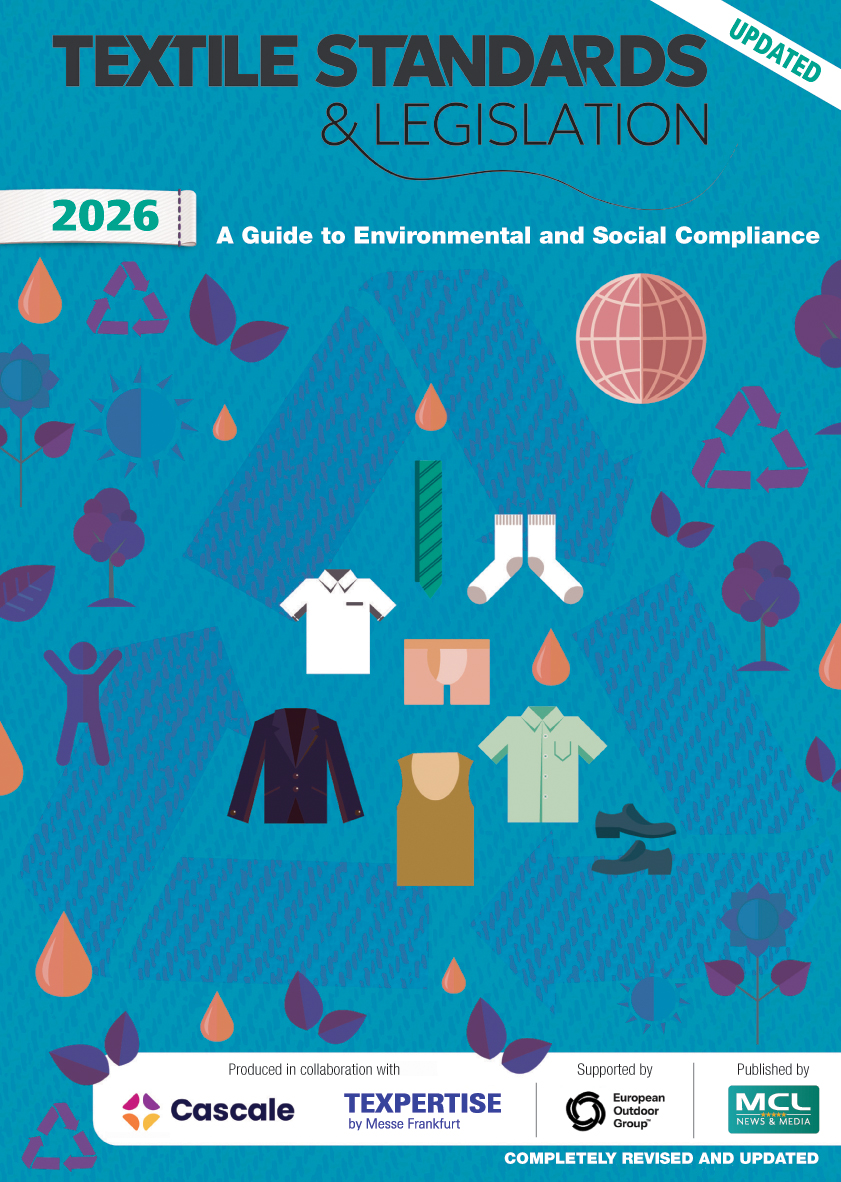
Preview of our Textile Standards & Legislation Guide
China’s strengthened rules make officials personally accountable for serious environmental damage
New process to strip reactive dyes from cotton could benefit textile-to-textile recycling
Opinion
European factory closures show costs, geography and demand decide which materials survive

Other publications from MCL News & Media

Scroll to Top
Logo

Our free newsletter showcases the very best of our journalism, delivered to you twice a week

Advertising
With Us

Help to support the purpose-led work of our team of journalists, international correspondents, and partners – and expose your product or service to our global readership.

Subscribe to our magazine today and receive exclusive online content

Subscribe