Mixed report on Fashion Charter signatories

Share
Share

BONN – Signatories to the United Nations’ Fashion Industry Charter for Climate Action have made some progress in areas such as publicly reporting on their efforts but still have a long way to go, according to a new report.

The report, from UN Climate Change and CDP, also highlights a number of significant shortcomings and makes a series of recommendations aimed at getting more companies to comply with charter requirements.

CPD data showed that less than half of signatories – 45% – were currently compliant with setting public climate targets needed to keep global warming below 1.5C in line with the Paris Agreement.

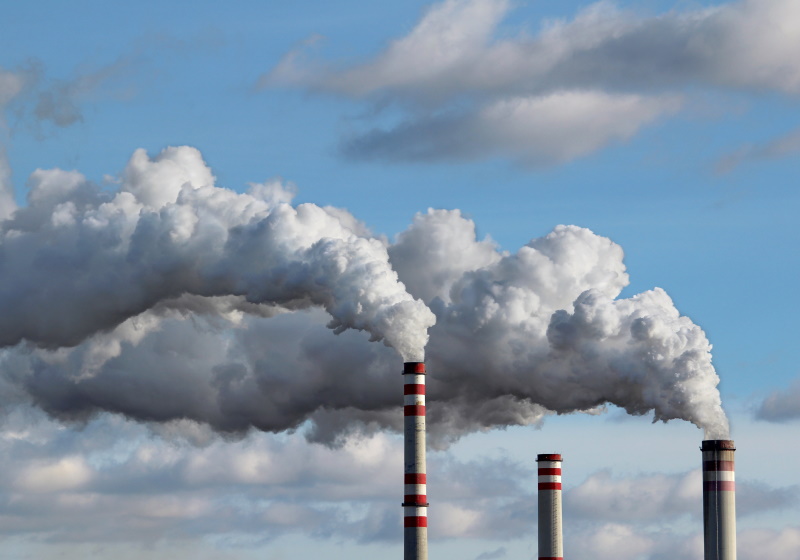
With China being the world’s textile industry powerhouse, and the fact that many of the signatories to this initative source from the country, one challenge will be to find suppliers whose factories use electricity derived from alternatives to coal.

That’s because in 2022, permits to build new coal-fired power plants in China accelerated dramatically. According to a report from Global Energy Monitor in February, the coal power capacity starting construction in China was six times as large as that in all the rest of the world combined.

CDP publishes a database of self-reported environmental data

BONN – Signatories to the United Nations’ Fashion Industry Charter for Climate Action have made some progress in areas such as publicly reporting on their efforts but still have a long way to go, according to a new report.

The report, from UN Climate Change and CDP, also highlights a number of significant shortcomings and makes a series of recommendations aimed at getting more companies to comply with charter requirements.

CPD data showed that less than half of signatories – 45% – were currently compliant with setting public climate targets needed to keep global warming below 1.5C in line with the Paris Agreement.

With China being the world’s textile industry powerhouse, and the fact that many of the signatories to this initative source from the country, one challenge will be to find suppliers whose factories use electricity derived from alternatives to coal.

That’s because in 2022, permits to build new coal-fired power plants in China accelerated dramatically. According to a report from Global Energy Monitor in February, the coal power capacity starting construction in China was six times as large as that in all the rest of the world combined.

Newsletter

Read our top news stories delivered straight to your inbox.

Share

Recommended

Latest Magazine

Features
Why China’s new wastewater standard is only one part of a broader shift spanning environmental law
As Brussels switches on its product passport registry, fashion’s supply chain data gaps threaten a bumpy rollout
As green claims face closer regulatory scrutiny liability no longer sits solely with the brands
News
Preview of our Textile Standards & Legislation Guide
China’s strengthened rules make officials personally accountable for serious environmental damage
New process to strip reactive dyes from cotton could benefit textile-to-textile recycling
Opinion
European factory closures show costs, geography and demand decide which materials survive

Other publications from MCL News & Media

Scroll to Top
Logo

Our free newsletter showcases the very best of our journalism, delivered to you twice a week

Advertising
With Us

Help to support the purpose-led work of our team of journalists, international correspondents, and partners – and expose your product or service to our global readership.

Subscribe to our magazine today and receive exclusive online content

Subscribe