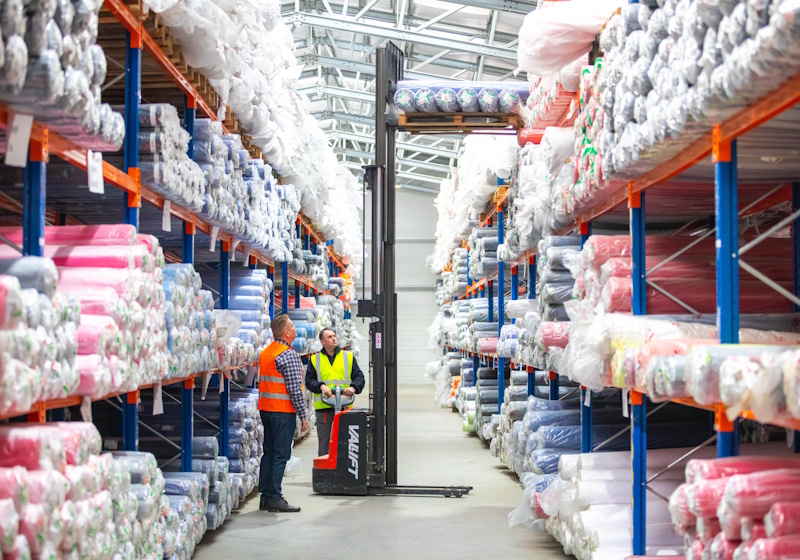
KARACHI - Surplus fabric has become one of the easier sustainability stories to tell. The cloth already exists. Its fibre, water, energy and dye are already spent. Buying it instead of commissioning new weaving looks, on the face of it, like the cleanest decision available to a small brand – and it is increasingly marketed that way, as deadstock, surplus, job lots or clearance stock, depending on who is selling.
The premise is sound. What it hides is a condition, and the condition is easy to miss because it sits after the purchase rather than before it: surplus fabric only avoids an impact if it reaches a garment. A lot that is bought, processed, found wanting and written off has not displaced new production. It has added a shipment, a wet-processing run and a disposal problem to cloth that was already made.